
Annual reporting in Bulgaria from 2027: a single system
NSI, the National Revenue Agency (NAP) and the Registry Agency are introducing the "Single Entry Point" information system From 1 January 2027, a new procedure…
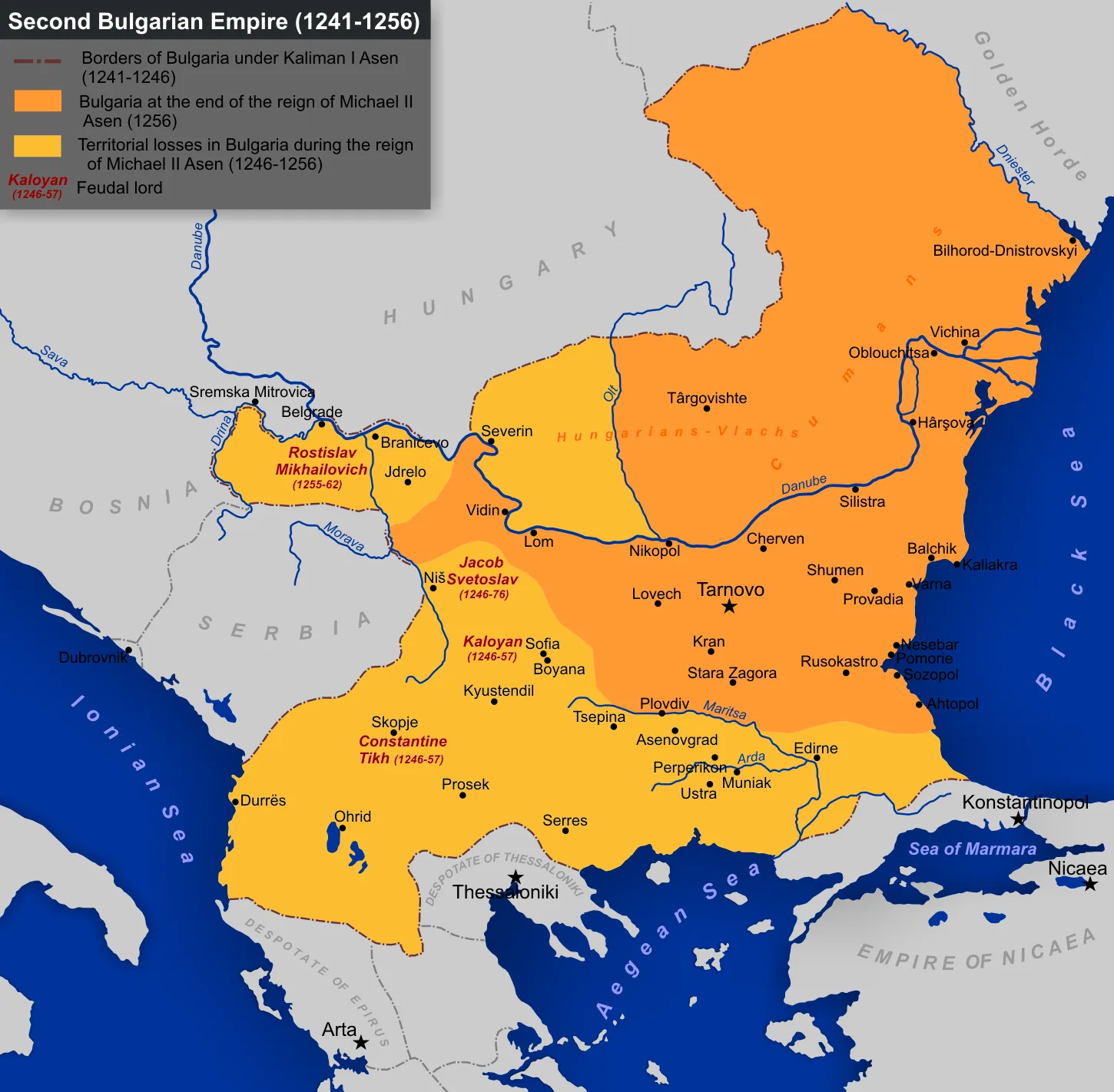
Until 1185 Bulgaria had disappeared from the map of Europe, conquered by the Byzantine Empire. But the Bulgarians could not accept this.

The brothers Ivan Asen and Peter – members of the aristocracy, descendants of the tsars of the First Bulgarian Empire – raised a rebellion against the Byzantines, taking advantage of the fact that after a political coup Byzantium had entered troubled times, and the weakened empire could no longer control the Bulgarian territories.
The pretext for the uprising was the new taxes that the Byzantine emperor decided to impose on the Bulgarians. In 1187, after a long siege of the fortress of Lovech, the Byzantines were forced to conclude a peace treaty with the rebels and to recognise the new state – the Second Bulgarian Empire.
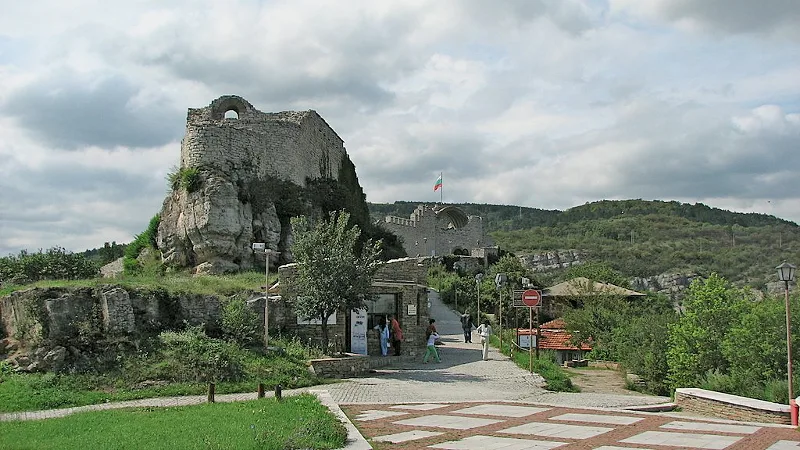
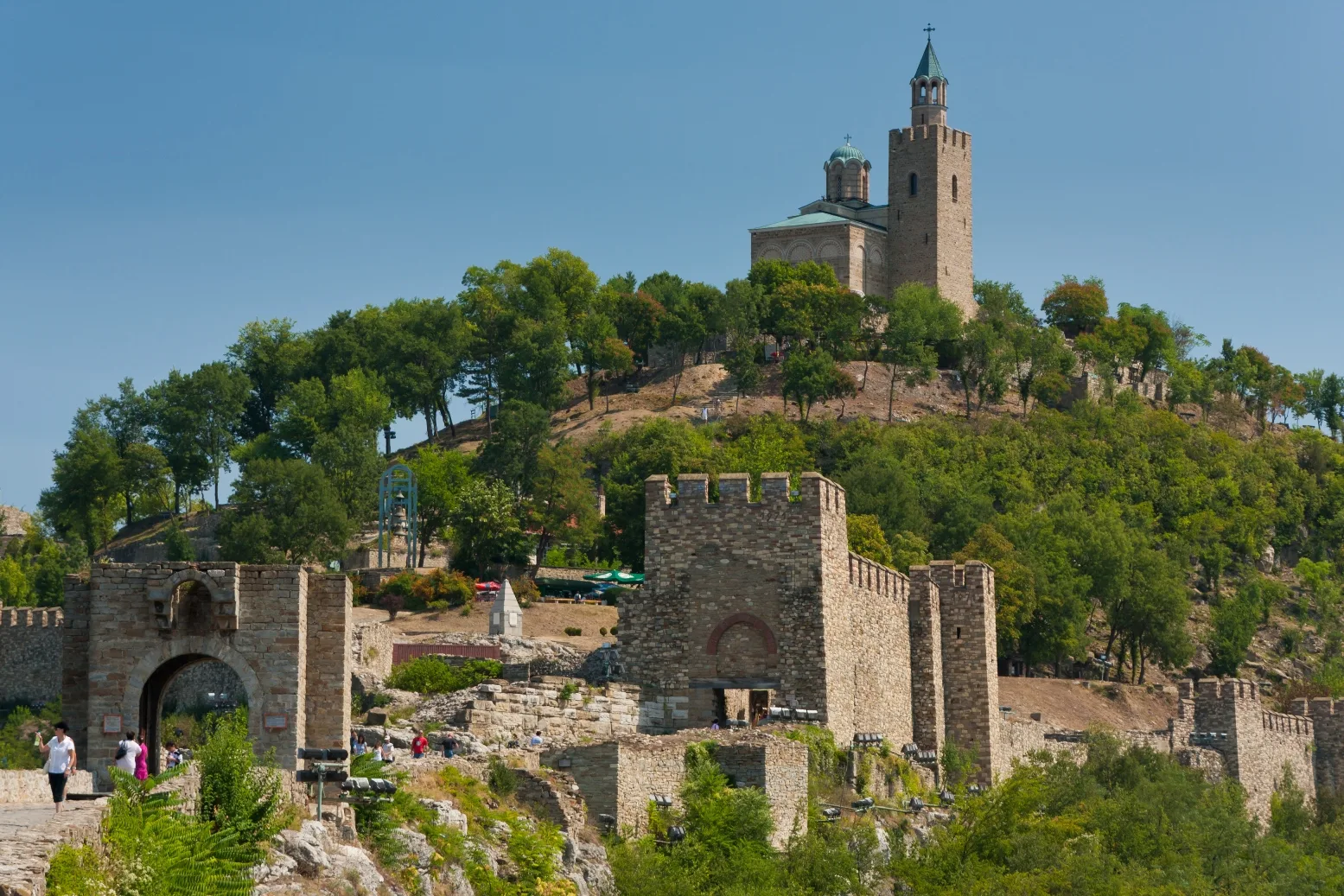
Tarnovgrad (Veliko Tarnovo) became the capital of the state. It was there that the new tsars – Ivan Asen and Peter – established themselves, and
later their younger brother Kaloyan as well.
The first years of the new power were turbulent: its rulers did not manage to die a natural death, all of them perishing in battle or as a result of conspiracies.
Bulgaria was constantly at war with its neighbours, now seizing new territories, now losing them again. Coups and intrigues were not lacking either. After the murder of Kaloyan the throne was seized by his nephew Boril, but later the lawful heir Ivan Asen II ascended the throne with the support of the people.
In the 13th century, under Ivan Asen II, the borders of the state reached three seas, and the wise tsar managed to do without wars and battles. Thanks to well-considered dynastic marriages, not only did the country’s territory expand, but Bulgaria’s might was strengthened as well. The state became respected and strong, which led to a rapid cultural development. This time its centre was the city of Veliko Tarnovo, where schools of painting and architecture opened. In terms of its cultural importance, the city of Veliko Tarnovo at that time stood on a par with Thessaloniki and Constantinople.
It is considered that Ivan Asen II was the first Bulgarian ruler under whom coins bearing the image of the tsar began to be minted. According to some versions, however, he merely restored the tradition of minting coins, which had been lost during the time the country was under Byzantine rule.
At the beginning of the 14th century, Patriarch Euthymius, the author of numerous works and a reformer of the Bulgarian language, gained wide renown throughout the Orthodox world. His fame, and that of his disciples, resounded not only in Bulgaria but in Byzantium as well.
To the list of all articles
To the list of articles Useful articles
Did not find the answer here? Write to us — we will look at your case and tell you what comes next.
Mon–Fri 9:00–17:30 (EET)
Ask a question Useful information
NSI, the National Revenue Agency (NAP) and the Registry Agency are introducing the "Single Entry Point" information system From 1 January 2027, a new procedure…
 Useful information
New amendments to the Law on Foreigners (ZChRB) could change the rules on employment of foreigners and on keeping residence status in Bulgaria.
 Useful information
The subject of obtaining an EU Blue Card (Синя карта на ЕС) in Bulgaria remains one of the most discussed topics among foreign highly qualified specialists and employers.
This article describes the general procedure. Your situation almost always has specifics — tell us about it and we will point out the shortest route.
Book a consultation