
How to legalise diplomas and prepare a portfolio for a Freelance application in Bulgaria
A practical guide to putting together a flawless professional dossier as a foreign national

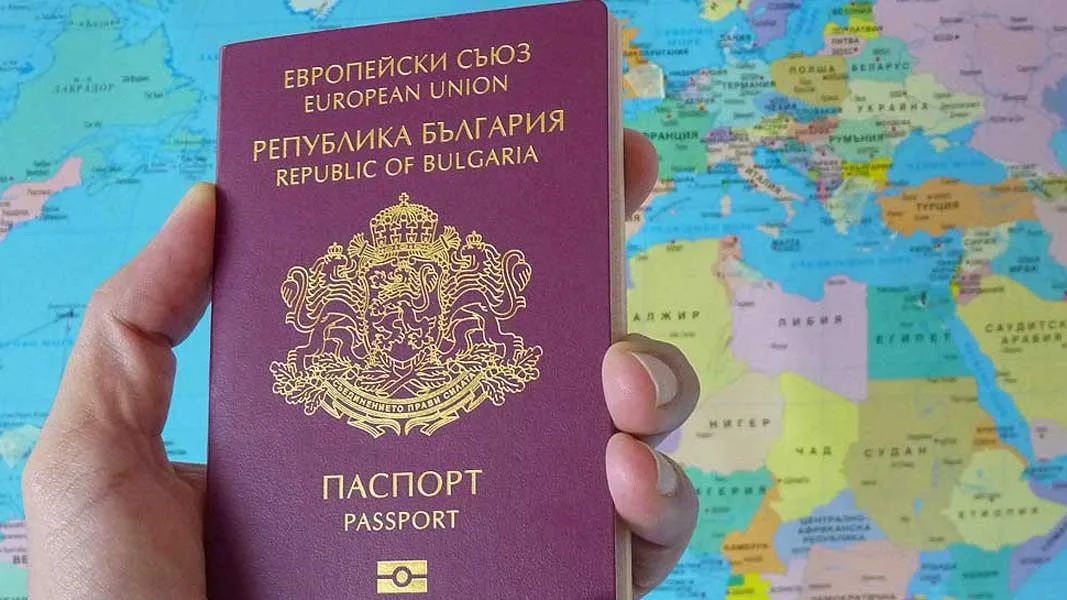
A few years ago, ethnic Bulgarians stopped being required to obtain a certificate of descent from DABCh. This has made the citizenship procedure faster and simpler. It is no longer necessary to submit a DABCh certificate; it is enough to attach to the package of documents filed with the Ministry of Justice evidence of descent — birth certificates, extracts from house registers and others. In the course of the checks carried out in the citizenship case, descent will be confirmed at the same time.
However, persons of Bulgarian descent can obtain not only citizenship but also a Bulgarian permanent residence permit. Moreover, many prefer to obtain a permanent residence permit for the whole period of waiting for citizenship — it is more convenient than regularly extending a residence permit, and in addition it allows the use of the compulsory health insurance system. And it is at this stage that difficulties arise.
To obtain a permanent residence permit, persons of Bulgarian descent must first obtain a type D visa. But consulates do not accept documents on descent and send people to IABCh (Izpolnitelna agentsiya za balgarite v chuzhbina — the counterpart of the now defunct DABCh). The problem is that IABCh does not issue a certificate of descent without a request from the migration service. This closes the circle: you cannot obtain a type D visa, and without it you cannot apply to the migration service to get the request for IABCh. This procedure has been in force since 2021.
In such a situation you can come to Bulgaria on some other ground and, once in the country, apply to the migration service so that they send a request to IABCh. After that, the certificate of descent will be sent by IABCh to the migration service.
You can also apply directly to IABCh, explain that the certificate is needed for a type D visa, and then they will accept the application without a referral from the migration service. You must state a valid e-mail address, and IABCh will send the certificate both to it and to the consulate where the documents are to be submitted.
It should be borne in mind that the certificate of descent is under no circumstances handed over to the applicant. It can be sent to the migration service or to a consulate. The applicant can at most secretly photograph their certificate of descent, although such a photograph cannot replace the document at the consulate.
Since special rules apply to students of Bulgarian descent, descent must also be confirmed when enrolling at a Bulgarian university. After arriving in Bulgaria on the “study” ground, you need to:
Documents can be submitted to IABCh in person or by power of attorney, and can also be sent by post at the sender’s expense. The procedure takes 2 weeks from the date the documents are submitted.
You will need:
Once the certificate has been received by e-mail, you can submit documents for the type D visa and the permanent residence permit. In addition to the certificate, documents such as the following will be required:
Only the applicant in person can collect the original documents from IABCh.
Persons of Bulgarian descent may work in Bulgaria regardless of what visa they hold. Here, however, there are also pitfalls — this time for the employer. The point is that when hiring ethnic Bulgarians, the employer must notify the Employment Agency. The notification must be accompanied by a certificate of Bulgarian descent — the very one that IABCh does not hand over. Personal documents, even if they state that the employee is Bulgarian by nationality, cannot serve as such confirmation. An IABCh certificate or a court decision is required.
In such a situation the Employment Agency demands that the employer provide the certificate and refuses to accept the documents. The candidate can provide a secretly photographed certificate or a court decision, but the most reliable solution is to turn to a qualified lawyer who can compel the Agency to send a request to IABCh itself. At present, only an experienced lawyer can not merely make sense of the contradictory Bulgarian laws but also successfully resolve these contradictions.
Having discovered their Bulgarian roots, many people immediately file for citizenship. The process of obtaining Bulgarian citizenship, however, is greatly drawn out and takes several years. Those who want to live in their historical homeland during this time can obtain a permanent residence permit: ethnic Bulgarians are granted the status immediately after entering on a type D visa.
Here another difficulty arises: when applying for citizenship, the original documents remain with the Ministry of Justice and cannot be retrieved until a decision is taken. Proving your descent when obtaining a type D visa and a long-term residence permit is therefore difficult, but possible. To do so you will need to provide notarised copies of the documents proving descent (they must be made in advance, while the originals are still in your hands), as well as the number of the citizenship case opened by the Ministry of Justice.
What is the best course of action for those planning to move to Bulgaria on the basis of descent, given such inconsistencies in the legislation? It makes sense to obtain a permanent residence permit first and only then file for citizenship. At the same time, it is better to use some other ground — not descent — to obtain the type D visa.
We note in particular that persons of Bulgarian origin can obtain a Bulgarian permanent residence permit without first obtaining a type D visa. They need to come to Bulgaria on another basis (for example, under an employment contract concluded for a term of at least one year), apply to the migration office so that a request is sent to the ИАБЧ, and obtain a permanent residence permit on the basis of their origin.
The staff of Bulgarian Expert will advise you on preparing the documents for obtaining Bulgarian citizenship and will help you book an appointment with the Ministry of Justice to submit the documents.
Did not find the answer here? Write to us — we will look at your case and tell you what comes next.
Mon–Fri 9:00–17:30 (EET)
Ask a question Information
A practical guide to putting together a flawless professional dossier as a foreign national
 Information
2025 is coming to an end, and it is time to take stock and also look ahead.
 Information
The EU Blue Card is a special type of visa and a ground for obtaining a residence permit, which at the same time serves as a work permit. The Blue Card is available to citizens of non-EU countries who are highly qualified and plan to work in European Union countries.
This article describes the general procedure. Your situation almost always has specifics — tell us about it and we will point out the shortest route.
Book a consultation