
Annual reporting in Bulgaria from 2027: a single system
NSI, the National Revenue Agency (NAP) and the Registry Agency are introducing the "Single Entry Point" information system From 1 January 2027, a new procedure…
Alongside the well-known landmarks, Bulgaria has many interesting places that tourists know almost nothing about. As a rule, these are natural sights – lakes of wondrous beauty, mysterious caves, rocks with an interesting history. The "Dyavolskoto Garlo" cave in the Rhodope Mountains is one of these little-known places.

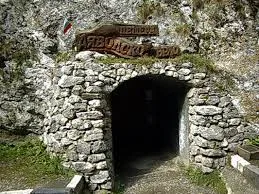
“Dyavolskoto garlo” is located in the Western Rhodopes, not far from the town of Devin. It attracts tourists with the chance to touch a truly untamed force of nature. The place owes its ominous name to the natural entrance to the cave, which resembles a devil’s head. The cave became famous for the country’s largest underground waterfall. The waters of the Trigrad River fall inside the cave from a height of 42 m, creating a deafening roar in the “Buchashta zala” — the “Roaring Hall”. The noise of the water,
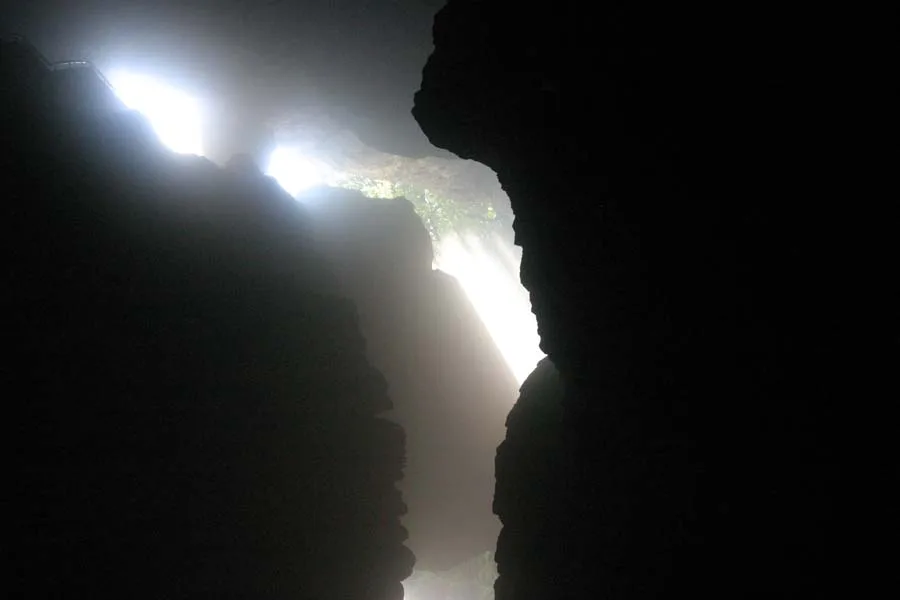
the vast spaces, the bats living in the cave and the imposing reliefs on the walls create a special mood.
This is the second largest cave in Bulgaria. 400 metres from the entrance the waters disappear between the rocks and come back to the surface only dozens of metres further on.
The Thracians, impressed by the cave, came up with many legends about it. For example, they said that it was here that Orpheus descended underground for Eurydice. There was also a legend that ancient chieftains threw themselves into the river here in order to become immortal.
It is believed that everything that falls into the river disappears without return. This has been proved experimentally more than once. Once researchers tried to dye the waters in the cave to find out when the coloured water would appear on the surface. Surprisingly, although the distance between the cave and the place where the water comes out from underground is less than a hundred metres, the dyed waters covered this route only in an hour and a half. There are many hypotheses about the system of underground labyrinths that the river passes through, but for now the cave keeps its secrets.
Did not find the answer here? Write to us — we will look at your case and tell you what comes next.
Mon–Fri 9:00–17:30 (EET)
Ask a question Useful information
NSI, the National Revenue Agency (NAP) and the Registry Agency are introducing the "Single Entry Point" information system From 1 January 2027, a new procedure…
 Useful information
New amendments to the Law on Foreigners (ZChRB) could change the rules on employment of foreigners and on keeping residence status in Bulgaria.
 Useful information
The subject of obtaining an EU Blue Card (Синя карта на ЕС) in Bulgaria remains one of the most discussed topics among foreign highly qualified specialists and employers.
This article describes the general procedure. Your situation almost always has specifics — tell us about it and we will point out the shortest route.
Book a consultation