
Annual reporting in Bulgaria from 2027: a single system
NSI, the National Revenue Agency (NAP) and the Registry Agency are introducing the "Single Entry Point" information system From 1 January 2027, a new procedure…
Over the history of the Bulgarian state, the country's capital was moved from place to place many times. At the end of his reign, Prince Boris ordered the capital to be moved to the town of Preslav, where a fortified military camp had originally stood.

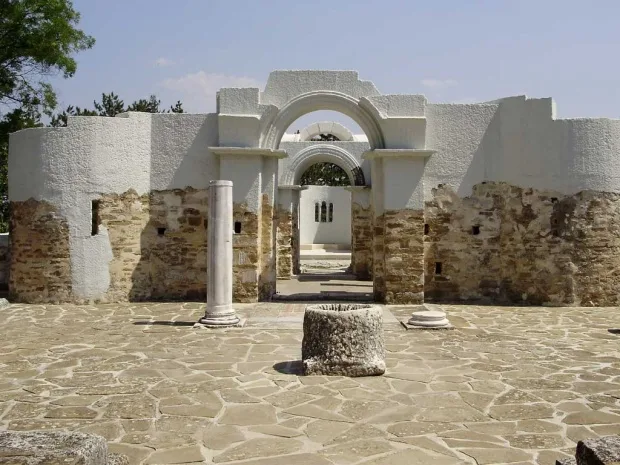
The new capital soon became a major cultural centre, as the Preslav Literary School was opened here, and its fame resounded not only in Bulgaria but in neighbouring countries as well.
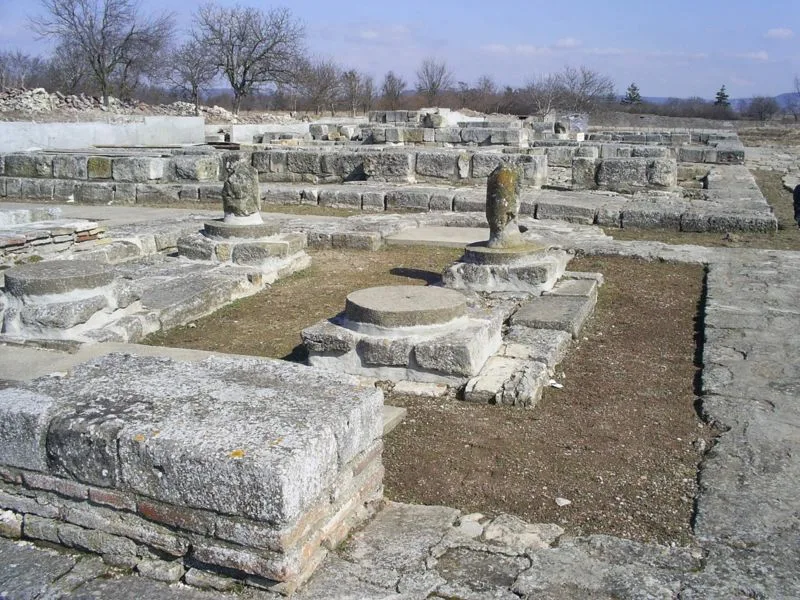
Preslav soon turned into one of the most beautiful cities in south-eastern Europe. Its beauty rivalled that of Constantinople. The outer city was surrounded by white stone walls, and its inner layout resembled the first Bulgarian capital, Pliska. The inner part of the city housed the royal palace, the throne hall and the Round Church, renowned for its rich decoration. Unlike most medieval European cities, Preslav had water supply and sewerage systems
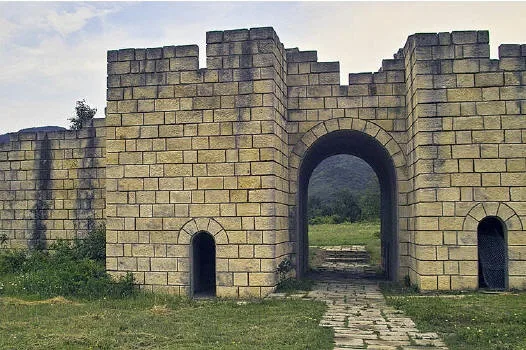
In 970 the Prince of Kiev conquered the city; a little later the Byzantines settled in Preslav: they held the city throughout the 11th and 12th centuries, and then, after the revival of the Bulgarian state, Preslav was once again turned into a Bulgarian fortress.
Modern-day Preslav lies roughly halfway between two regional centres — Shumen (20 km away) and Targovishte (25 km away). It is the third largest town in Shumen Province. From Shumen you can reach the medieval capital by bus or minibus.
It is home to a large historical and archaeological reserve and museum, which are among the hundred most important Bulgarian tourist sites.

To the list of all articles
To the list of articles Useful articles
Did not find the answer here? Write to us — we will look at your case and tell you what comes next.
Mon–Fri 9:00–17:30 (EET)
Ask a question Useful information
NSI, the National Revenue Agency (NAP) and the Registry Agency are introducing the "Single Entry Point" information system From 1 January 2027, a new procedure…
 Useful information
New amendments to the Law on Foreigners (ZChRB) could change the rules on employment of foreigners and on keeping residence status in Bulgaria.
 Useful information
The subject of obtaining an EU Blue Card (Синя карта на ЕС) in Bulgaria remains one of the most discussed topics among foreign highly qualified specialists and employers.
This article describes the general procedure. Your situation almost always has specifics — tell us about it and we will point out the shortest route.
Book a consultation