
Annual reporting in Bulgaria from 2027: a single system
NSI, the National Revenue Agency (NAP) and the Registry Agency are introducing the "Single Entry Point" information system From 1 January 2027, a new procedure…
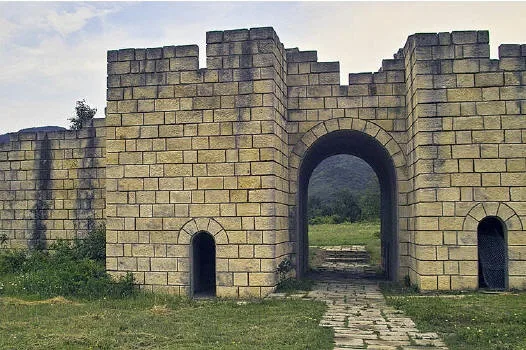
In 893, Simeon, the son of Knyaz Boris, ascended the Bulgarian throne. The capital was moved from Pliska to Preslav, where the new ruler settled.

This period is called the golden age of the Bulgarian state and of Bulgarian culture. The enlighteners expelled from Great Moravia, followers of Cyril and Methodius, tirelessly educated the Bulgarian people. At the same time the nation was consolidating — the descendants of the Thracians, the Proto-Bulgarians and the Slavs merged into a single Bulgarian people. Simeon received the title of
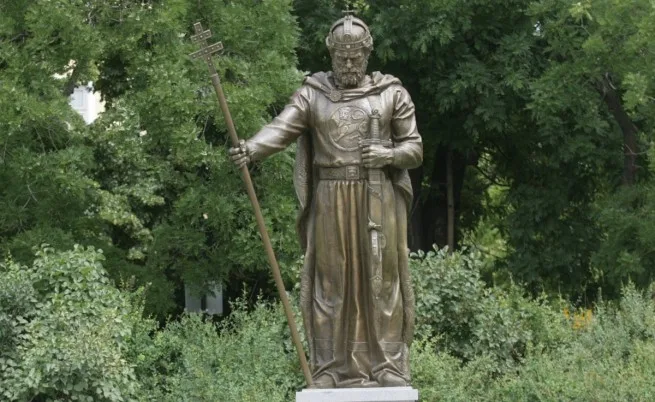
Bulgarian tsar and emperor of the Bulgarians and the Greeks of Danubian Bulgaria.
A brilliantly educated man, Tsar Simeon continued his father’s work and supported the education of the nation. He also achieved considerable military successes, thanks to which Bulgaria posed an ever greater threat to Byzantium.
In 917, at the battle near the river Acheloos, the Bulgarian forces managed to rout a strong Byzantine army and send its remnants into panicked flight. Annexing ever more territory, Bulgaria became a mighty and influential power.
Some historians believe that the numerous wars waged by Simeon the First exhausted the state. By the time Tsar Peter the First came to the throne, the decline of the state had begun. The new ruler signed a peace treaty with Byzantium, but once it expired the war resumed.
A deeply religious man, Peter devoted much attention to the development of the church in Bulgaria. The flourishing of the official religion was accompanied by the growth of an alternative movement, a heresy known as “Bogomilism”, which preached disobedience to the church and the tsar. Naturally, this did nothing to strengthen the state.
In 977 Tsar Samuil ascended the throne, and the capital was moved to Ohrid (in present-day Macedonia). Under Tsar Samuil the war with Byzantium continued. Bulgaria managed more or less successfully to repel the enemy’s attacks, but the battle near the village of Klyuch proved fatal. In a bloody battle the Byzantine emperor killed thousands of Bulgarians and ordered 14,000 prisoners (according to some sources 15,000) to be blinded. Only every hundredth soldier was left one eye, so that the blinded soldiers could find their way back to their ruler. Afterwards the Byzantine emperor was given the nickname the Bulgar-Slayer for this. Legend says that Tsar Samuil died of a heart attack when he saw his maimed soldiers.
Four years later, in 1018, during the reign of Ivan Vladislav, Samuil’s nephew, the Byzantines captured the last Bulgarian fortresses and killed the tsar, and the First Bulgarian State disappeared from the map of Europe.

Did not find the answer here? Write to us — we will look at your case and tell you what comes next.
Mon–Fri 9:00–17:30 (EET)
Ask a question Useful information
NSI, the National Revenue Agency (NAP) and the Registry Agency are introducing the "Single Entry Point" information system From 1 January 2027, a new procedure…
 Useful information
New amendments to the Law on Foreigners (ZChRB) could change the rules on employment of foreigners and on keeping residence status in Bulgaria.
 Useful information
The subject of obtaining an EU Blue Card (Синя карта на ЕС) in Bulgaria remains one of the most discussed topics among foreign highly qualified specialists and employers.
This article describes the general procedure. Your situation almost always has specifics — tell us about it and we will point out the shortest route.
Book a consultation