
Annual reporting in Bulgaria from 2027: a single system
NSI, the National Revenue Agency (NAP) and the Registry Agency are introducing the "Single Entry Point" information system From 1 January 2027, a new procedure…
One of Bulgaria's most significant victories during the First World War was the capture of the Tutrakan fortress.

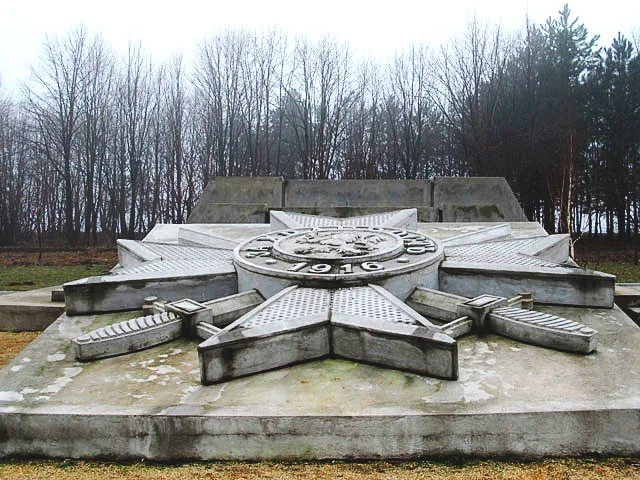
This fortress was erected back in the days of the First Bulgarian Empire, and it was subsequently extended and improved more than once. This happened, for example, after the fortress was captured by Suvorov in 1773 and by Kutuzov in 1810. After the Second Balkan War the region belonged to Romania, and in 1916 the famous battle that ended in a victory for the Bulgarian army took place here. Nevertheless, until 1940 Tutrakan remained Romanian, and only then returned to Bulgaria.
Today Tutrakan is a small town on the bank of the Danube, located roughly halfway between Silistra and Ruse. The town’s main sights reflect the history of this fishing centre, which by the will of fate lived through many bloody battles — these are the ethnographic Museum of Fishing and Boatbuilding, and
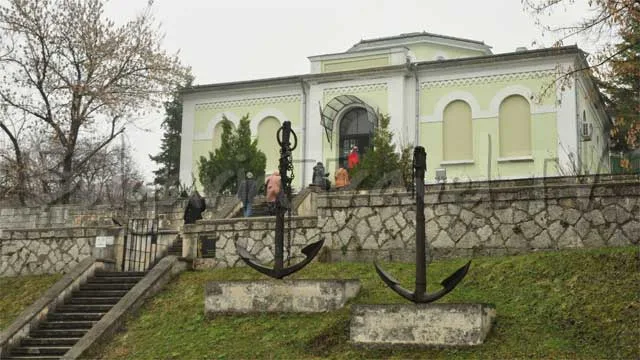
also the Military Cemetery, on the grounds of which stands a monument to the fallen soldiers.
This museum invites anyone interested to learn about the everyday life of the fishermen who have long lived on the bank of the Danube. On display are models of the boats fishermen once used, as well as other items used in the fishing trade. The exhibition tells of the hard life of the fishermen, who supplied a considerable part of the country with fresh fish. Original exhibits, along with numerous photographs, presentations and interactive displays, allow visitors to get a closer look at the life of the fishermen of times past.
Thanks to its geographical position, Tutrakan has repeatedly become the site of battles. The largest and best known of them was fought during the First World War, when Bulgaria was trying to win back its territories from Romania. More than eight thousand Bulgarian, Romanian, German and Turkish soldiers died here at that time.
The memorial complex was erected immediately after the battle. In 1922 an obelisk appeared on this spot, where the fallen can be honoured. This military cemetery is considered the largest in the country, and people come from both Bulgaria and Romania to pay tribute to the fallen. For tourists, the military cemetery will be of interest first and foremost as one of the hundred tourist sites in Bulgaria, which include both natural and historical landmarks.
To the list of all articles
To the list of articles Useful articles
Did not find the answer here? Write to us — we will look at your case and tell you what comes next.
Mon–Fri 9:00–17:30 (EET)
Ask a question Useful information
NSI, the National Revenue Agency (NAP) and the Registry Agency are introducing the "Single Entry Point" information system From 1 January 2027, a new procedure…
 Useful information
New amendments to the Law on Foreigners (ZChRB) could change the rules on employment of foreigners and on keeping residence status in Bulgaria.
 Useful information
The subject of obtaining an EU Blue Card (Синя карта на ЕС) in Bulgaria remains one of the most discussed topics among foreign highly qualified specialists and employers.
This article describes the general procedure. Your situation almost always has specifics — tell us about it and we will point out the shortest route.
Book a consultation