
Annual reporting in Bulgaria from 2027: a single system
NSI, the National Revenue Agency (NAP) and the Registry Agency are introducing the "Single Entry Point" information system From 1 January 2027, a new procedure…
After the First World War, Bulgaria lost many territories and was forced to pay considerable sums to the victorious countries. The crushing defeat in the war and the devastation became the reason for a change of government in the country.

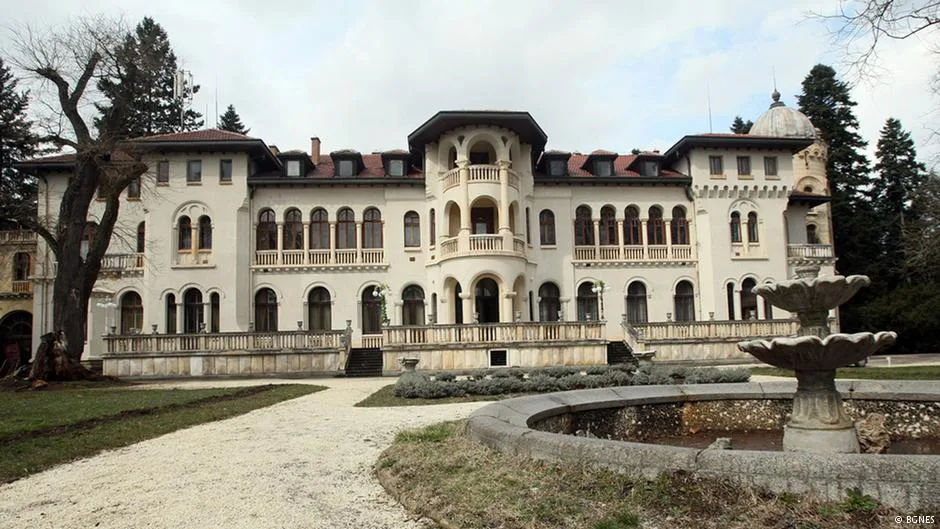
On the Bulgarian throne, Tsar Ferdinand was succeeded by his son Boris, who was destined to become the last Bulgarian tsar. Boris III ruled the country until 1943. The times he was given were not easy, and he was not always able to rest at the royal residence.
The wars of the beginning of the century cost Bulgaria dearly. The reforms carried out by the government could not normalise the situation. One military coup after another took place in the country. In addition, Bulgaria was affected by the Great Depression, which had engulfed the whole world.
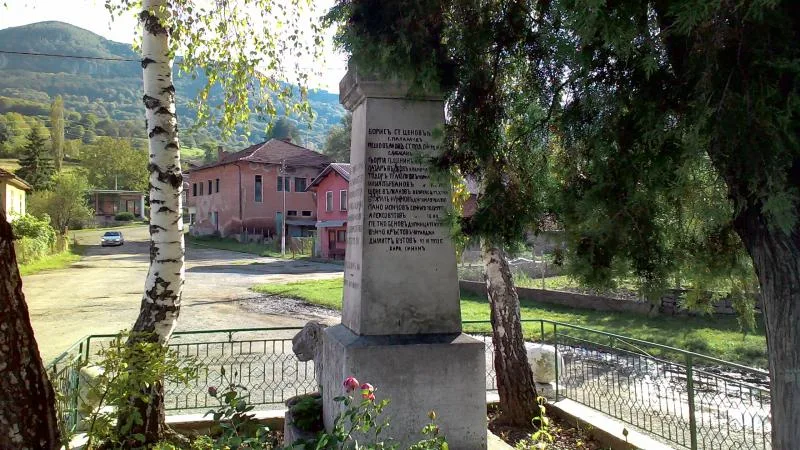
For some time, Bulgarian diplomats managed to manoeuvre between the opposing forces, maintaining neutrality. Skilful diplomacy allowed the Bulgarians to regain Southern Dobruja, which by that time had belonged to Romania for more than two decades.
However, the pressure from other states increased, and in 1941 the country entered the Second World War, having concluded a treaty with Germany and Italy. This step allowed Bulgaria to realise its long-held dream of recovering its ancestral territories. During the war it managed to win back Macedonia and part of Greece, but Bulgaria was unable to hold on to these gains.
While effectively fighting on Germany’s side, Bulgaria tried to maintain friendly relations with the USSR. In particular, Bulgarian soldiers were not sent to the Eastern Front. Nevertheless, the situation became increasingly tense. In 1943, Tsar Boris III travelled to a meeting with Hitler, after which he unexpectedly died. This led to a deepening of the crisis: the population refused to support the pro-fascist government.
In September 1944, the USSR declared war on Bulgaria. Within a few days, Soviet troops entered the country’s territory in the area of Silistra and moved towards Shumen and Razgrad. Their aim was to neutralise the German fleet, which was in the area of Varna and Burgas. At the same time, a new coup took place in Bulgaria — the communists came to power. Thus, the USSR’s troops met with no resistance; moreover, they were greeted with flowers, just as the German troops had been greeted several years earlier.
Once again Bulgaria failed to resolve the question of recovering its lost territories — only Southern Dobruja remained part of the country. In addition, from this moment a new chapter of Bulgarian history began — for almost 50 years the country became socialist. Until the end of the war, Bulgarian troops fought alongside the Soviet ones against the Third Reich.
To the list of all articles
To the list of articles Useful articles
Did not find the answer here? Write to us — we will look at your case and tell you what comes next.
Mon–Fri 9:00–17:30 (EET)
Ask a question Useful information
NSI, the National Revenue Agency (NAP) and the Registry Agency are introducing the "Single Entry Point" information system From 1 January 2027, a new procedure…
 Useful information
New amendments to the Law on Foreigners (ZChRB) could change the rules on employment of foreigners and on keeping residence status in Bulgaria.
 Useful information
The subject of obtaining an EU Blue Card (Синя карта на ЕС) in Bulgaria remains one of the most discussed topics among foreign highly qualified specialists and employers.
This article describes the general procedure. Your situation almost always has specifics — tell us about it and we will point out the shortest route.
Book a consultation