
Annual reporting in Bulgaria from 2027: a single system
NSI, the National Revenue Agency (NAP) and the Registry Agency are introducing the "Single Entry Point" information system From 1 January 2027, a new procedure…
Tsar Boris III happened to rule Bulgaria in times that were hard for the country. Devastation, coups, a tense situation in the world – in such conditions the monarch rarely managed to take a break from affairs of state and relax. But when he did, Tsar Boris spent his time with his family and hunting.

He lived almost permanently at the Vrana Palace (the Crow), which is only 9 km from Sofia. And sometimes he would go hunting at the Tsarska Bistritsa residence at the Borovets resort, in the Rila Mountains.
Construction of the palace in Borovets began in 1898, and it was completed only in 1914.
Today the palace, together with the park it stands in, is open to visitors – anyone can admire the details of royal life. The first room of the palace is decorated as a ship’s cabin, in memory of Tsar Ferdinand’s sea voyage to Brazil in 1902.
Many of the halls are full of hunting trophies, and in a prominent place hangs a portrait of the royal huntsman who died after an encounter with a bear. The palace also holds a good many gifts, souvenirs and commemorative objects. For example, one of the halls contains a Persian carpet once presented by the sultan to Tsar Ferdinand’s second wife. A giant engraved shell case is the symbol of the last shell of the Balkan War. The seven-candle candlestick standing on the piano is a gift from the Jewish community in Bulgaria.
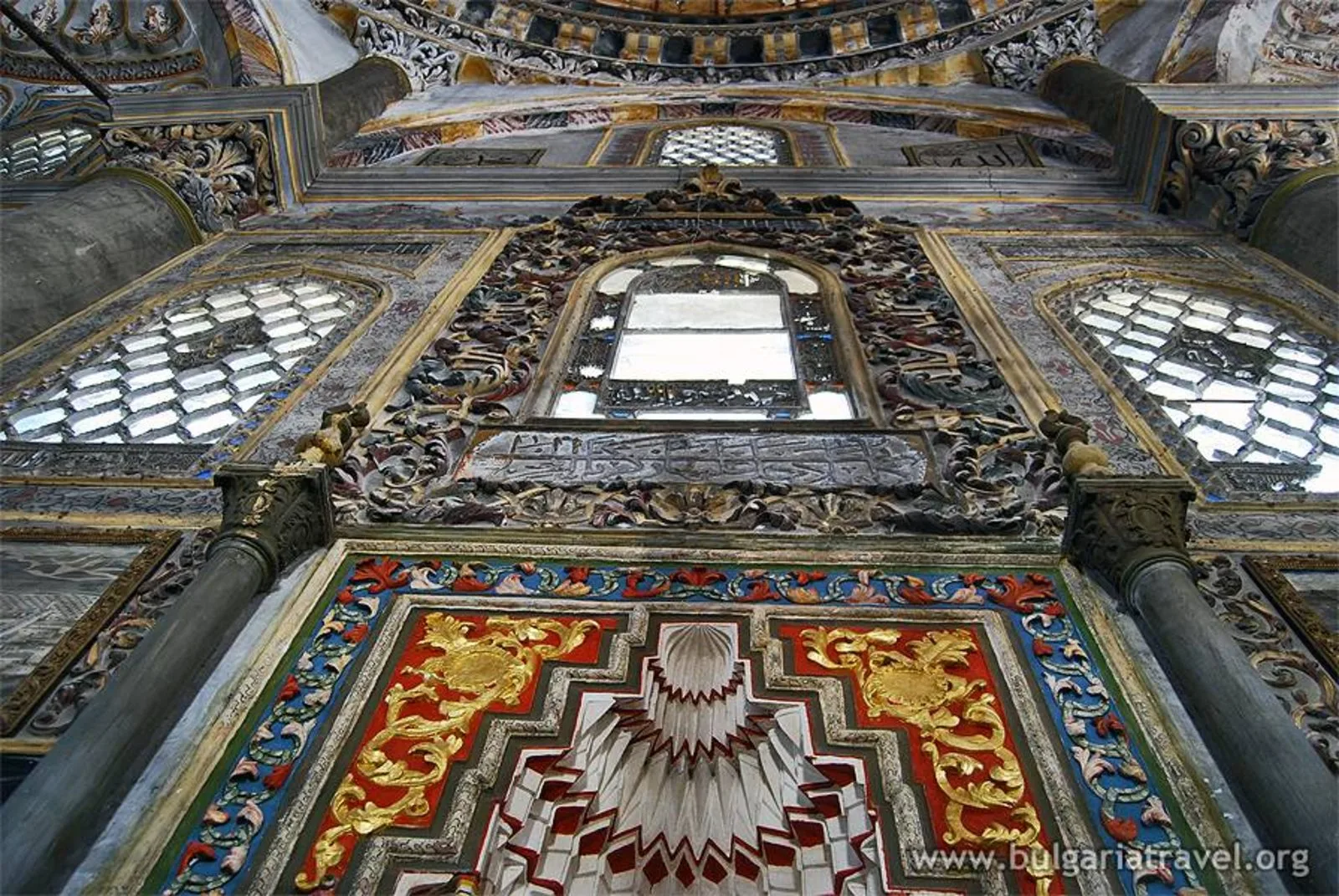
The wooden ceiling is decorated with fine carving executed by the best craftsmen. The palace has 50 stoves, brought in their time from Austria and elaborately decorated with tiles, and no two of them are alike. The members of the royal family also used electric heaters. The palace was electrified as early as the beginning of the 20th century, and for this a small power station of its own was built, which also supplied energy to the whole of Borovets. In all the time it existed it never once broke down.
In 1945 the palace was nationalised, in 1989 it was returned to the heirs of Tsar Boris, and in 2014 the Sofia court ruled that the palace is nevertheless national property. But whoever the royal residence officially belongs to, anyone may visit it.
Did not find the answer here? Write to us — we will look at your case and tell you what comes next.
Mon–Fri 9:00–17:30 (EET)
Ask a question Useful information
NSI, the National Revenue Agency (NAP) and the Registry Agency are introducing the "Single Entry Point" information system From 1 January 2027, a new procedure…
 Useful information
New amendments to the Law on Foreigners (ZChRB) could change the rules on employment of foreigners and on keeping residence status in Bulgaria.
 Useful information
The subject of obtaining an EU Blue Card (Синя карта на ЕС) in Bulgaria remains one of the most discussed topics among foreign highly qualified specialists and employers.
This article describes the general procedure. Your situation almost always has specifics — tell us about it and we will point out the shortest route.
Book a consultation