
Annual reporting in Bulgaria from 2027: a single system
NSI, the National Revenue Agency (NAP) and the Registry Agency are introducing the "Single Entry Point" information system From 1 January 2027, a new procedure…
When countries with a rich history come up, few people think of Bulgaria. But did you know that it is Bulgaria that ranks third among the countries with the richest cultural and historical heritage?

People have lived on Bulgarian lands since Neolithic times, and to this day builders digging foundation pits here regularly come across ancient treasure hoards or the remains of structures concealing the secrets of ancient peoples.
The fertile Bulgarian lands were never empty, but the first culture to leave a noticeable mark on these territories was the Thracian one. The Thracians lived here three thousand years ago. They were renowned as
excellent farmers, winemakers and beekeepers and, at the same time, brave hunters.
The Thracians believed that the dead might need various items on their final journey, and they prudently placed food and drink in precious vessels, weapons and even horses in the tombs.
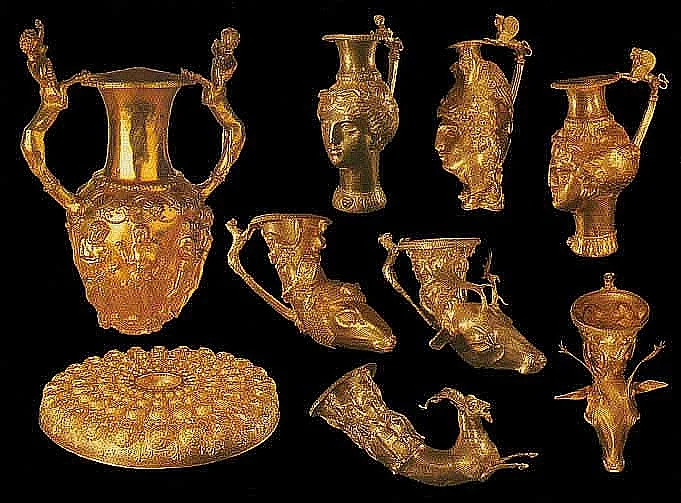
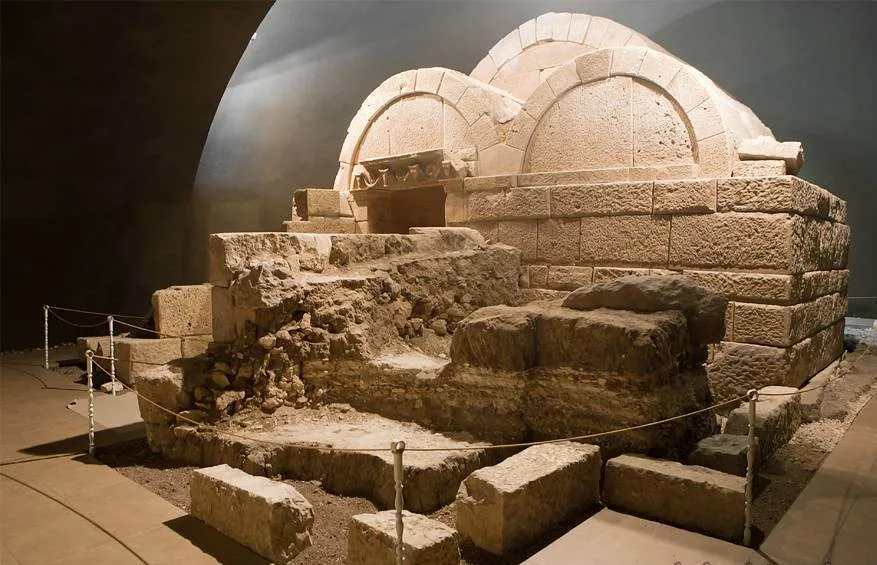
Of course, only the wealthiest and most noble people were granted such an honour. Some large tombs, for example the Kazanlak and Sveshtari ones, have suffered almost no damage from time, although they were thoroughly plundered by looters, and today they are declared world cultural heritage. Reports appear regularly that yet another batch of Thracian treasures has been found — weapons, vessels, jewellery. This is how, for instance, the exquisitely crafted gold and silver vessels of the Panagyurishte and Rogozen hoards were discovered.
Under Bulgarian law, all treasures found belong to the state, so unique historical finds do not disappear without a trace but remain in museums — for example, in the History Museum in Sofia, in the History Museum in Kardzhali in the Eastern Rhodopes, and in other archaeological collections.
Hundreds of years after the Thracians, the country’s territory was settled by Slavs and Proto-Bulgarians, who became the founders of a new state. As early as 635, the leader of the ancient Bulgarians, Khan Kubrat, united the Bulgarian tribes into a single state — Old Great Bulgaria. However, after the ruler’s death the realm did not withstand the onslaught of neighbouring aggressive tribes. Then one of Khan Kubrat’s sons, Asparuh, led his people to the mouth of the Danube. In 681 he created the Bulgarian state, whose capital was in the city of Pliska (Shumen Province). That year is considered the time of the state’s birth.
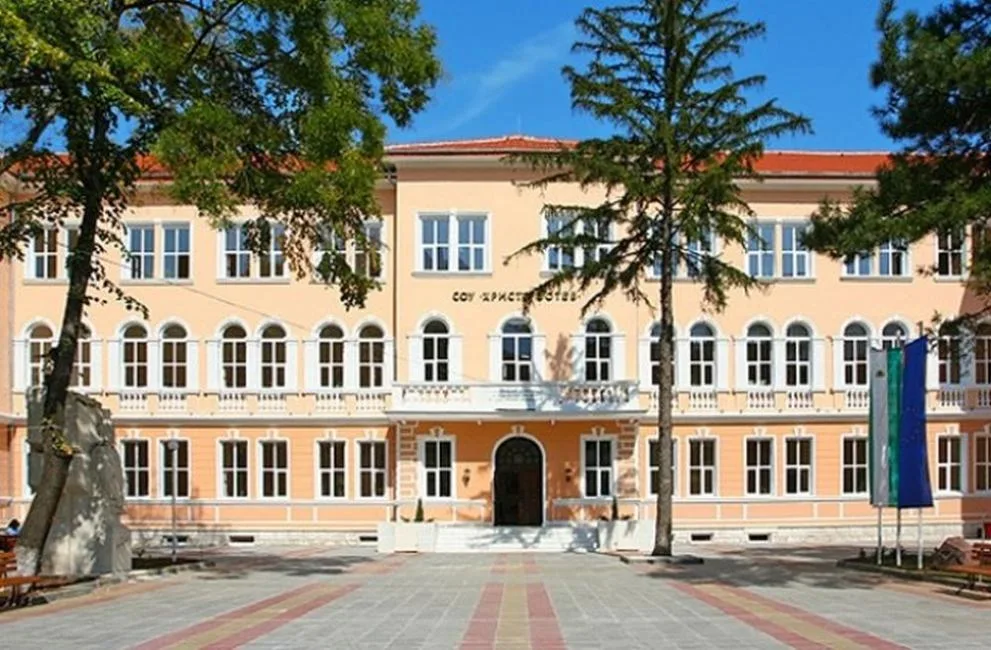
The History Museum in Kardzhali
Did not find the answer here? Write to us — we will look at your case and tell you what comes next.
Mon–Fri 9:00–17:30 (EET)
Ask a question Useful information
NSI, the National Revenue Agency (NAP) and the Registry Agency are introducing the "Single Entry Point" information system From 1 January 2027, a new procedure…
 Useful information
New amendments to the Law on Foreigners (ZChRB) could change the rules on employment of foreigners and on keeping residence status in Bulgaria.
 Useful information
The subject of obtaining an EU Blue Card (Синя карта на ЕС) in Bulgaria remains one of the most discussed topics among foreign highly qualified specialists and employers.
This article describes the general procedure. Your situation almost always has specifics — tell us about it and we will point out the shortest route.
Book a consultation