
Annual reporting in Bulgaria from 2027: a single system
NSI, the National Revenue Agency (NAP) and the Registry Agency are introducing the "Single Entry Point" information system From 1 January 2027, a new procedure…
Bulgarians deeply honour their history and never forget it, so the country has no shortage of museums. The most interesting museum of this kind in the Eastern Rhodopes is located in the town of Kardzhali.

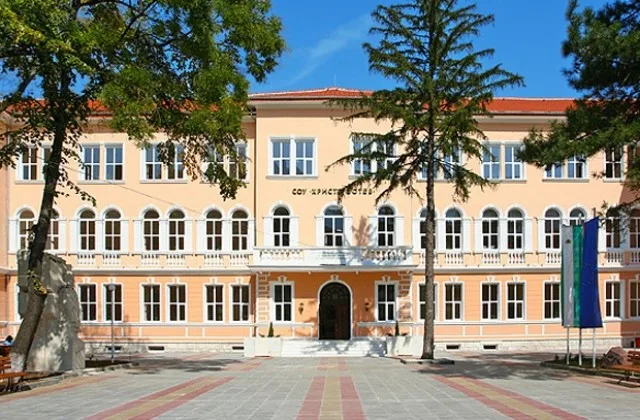
The museum, designed in a distinctive Arabic style (the building was originally intended for a Muslim religious school), has three floors: the first houses the archaeological exhibition, the second the mineralogical one, and the top floor the ethnographic one.
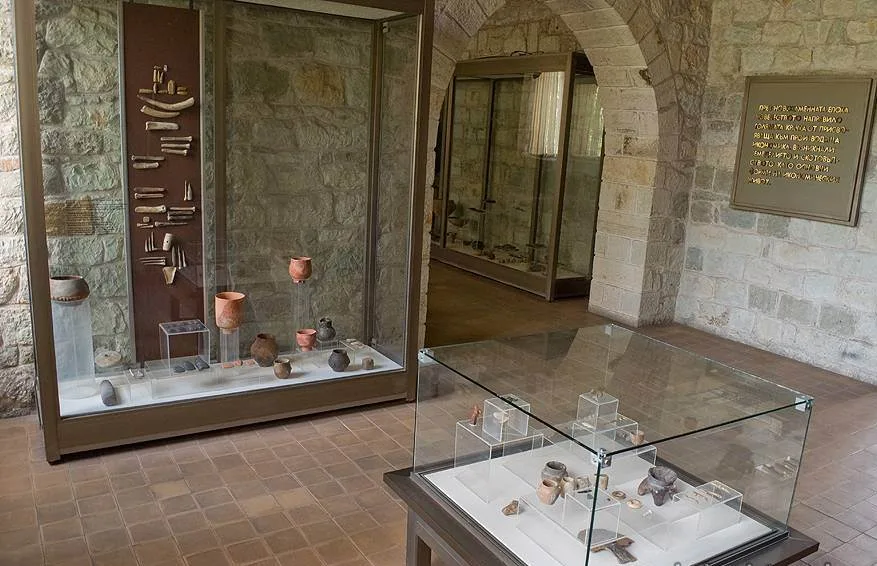
The archaeological section is full of unique exhibits — from the early Neolithic to the High Middle Ages, i.e. from roughly 5900 BC to AD 1400. The exhibits are arranged in chronological order. In the very first
hall, on the left-hand side, you can see
the oldest finds from Neolithic settlements. The first find was discovered entirely by chance, during the construction of a house in the town centre.
Among the exhibits are ceramic vessels, ancient idols, bone buckles, altars and metal objects, including some of the oldest copper items in Europe. One of the most mysterious finds is an elegant swastika made of nephrite, a stone that simply has no deposits in this part of the Balkan Peninsula. How and from where it reached the ancient craftsmen is one of history’s riddles.
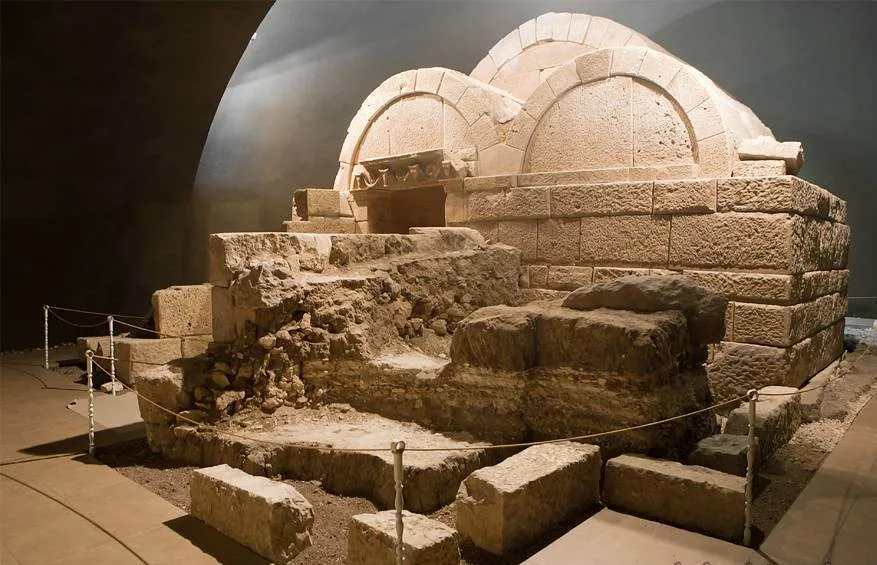
The second hall presents finds dating from 4800–4400 BC. The next hall contains objects from the Iron Age, including part of the museum’s numismatic collection. The fourth hall is devoted to
the Roman era — here are gathered the exhibits of that period found
in the Kardzhali region: sculptures, mosaics, architectural elements, precious jewellery, tools, tableware…
From the “Roman” hall you can pass into a corridor housing a temporary exhibition made up entirely of finds discovered during the most recent archaeological excavations in the region.
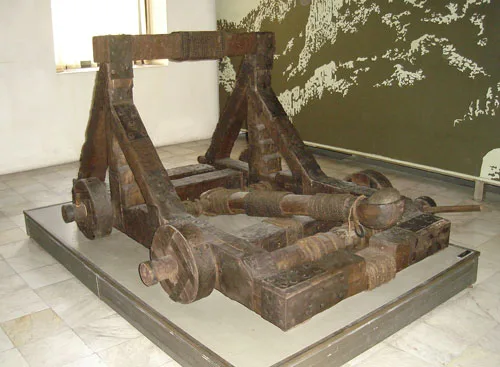
To the right of the entrance is an exhibition devoted to the Middle Ages. Tableware, jewellery, weapons and everyday objects give an idea of how Bulgarians lived in medieval times. The last hall is devoted to warfare in the Middle Ages. Even the entrance to this hall is designed unusually — it is decorated with a grating, like the entrance to an ancient castle.
The museum’s second floor is devoted to mineralogy and the geological features of the region. A very rich exhibition of various minerals is presented here. As on the first floor, the exhibits are distributed across separate halls: here you can see precious stones and other minerals, striking crystals and imprints of ancient plants and animals on stone.
The third floor is the ethnographic museum, where particular attention is paid to traditional crafts and occupations, for example the growing and production of tobacco. Tobacco is still the main crop produced in this region, which makes it all the more interesting to see how craftsmen worked in times past. Traditional historical costumes are also displayed on this floor.
To the list of all articles
To the list of articles Useful articles
Did not find the answer here? Write to us — we will look at your case and tell you what comes next.
Mon–Fri 9:00–17:30 (EET)
Ask a question Useful information
NSI, the National Revenue Agency (NAP) and the Registry Agency are introducing the "Single Entry Point" information system From 1 January 2027, a new procedure…
 Useful information
New amendments to the Law on Foreigners (ZChRB) could change the rules on employment of foreigners and on keeping residence status in Bulgaria.
 Useful information
The subject of obtaining an EU Blue Card (Синя карта на ЕС) in Bulgaria remains one of the most discussed topics among foreign highly qualified specialists and employers.
This article describes the general procedure. Your situation almost always has specifics — tell us about it and we will point out the shortest route.
Book a consultation