
Annual reporting in Bulgaria from 2027: a single system
NSI, the National Revenue Agency (NAP) and the Registry Agency are introducing the "Single Entry Point" information system From 1 January 2027, a new procedure…
The Sveshtari Tomb is rightly considered one of the most sensational Bulgarian archaeological finds of the 20th century. In 1982, near the village of Sveshtari not far from the town of Razgrad, a Thracian tomb with unique decoration was discovered, remarkably well preserved to the present day.

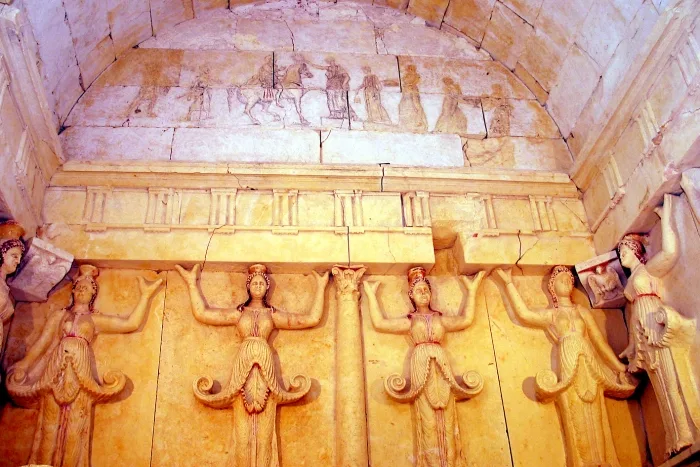
Built of large stone blocks, the tomb consists of a corridor and several square chambers. Its length is 7.5 m and the width of the façade is 6.5 m. In the central chamber there are two stone beds — one of them was intended for Dromichaetes, the chieftain of a Thracian tribe, and the second for his beloved wife, who by tradition was buried together with her husband. In the neighbouring chamber space was also provided for the chieftain’s favourite horses, which were likewise destined to accompany their master on his final journey.
The tomb is very richly and skilfully decorated. Caryatids with their arms raised to the sky support the cornice, and the wall painting shows the deceased chieftain receiving a golden wreath from the hands of a beautiful goddess. The richness of the decoration and the perfect architectural execution are irrefutable proof of the power of the ruler who was granted such a magnificent resting place. Today it is already known that he ruled in the second quarter of the third century BC. Unfortunately, in past centuries looters plundered the grave, leaving in it only the bones of people and horses, but making off with every more or less valuable item of gold and silver.
The burial mound has preserved the remains of sacrificial fires, which testify that the construction of the tomb was accompanied by abundant sacrifices and other rituals. But certain details indicate that the work was finished in haste — the chieftain probably died earlier than expected. That is why some of the rooms are finished carefully and skilfully, and others clearly in a hurry, with the drawings partly left unpainted.
· Admission to the tomb is charged. The cost of a visit for adults is 10 leva, for schoolchildren and pensioners 5 leva; the price includes a guide’s commentary.
· From 1 December to 17 March the tomb is closed to tourists. In the other months it is open from Wednesday to Sunday from 9.30 to 16.30.
· In the same area, within about 2 km, there are another 26 ancient graves, thanks to which the site has been declared the Sboryanovo archaeological reserve.
· The two largest tombs, located not far from the Sveshtari one, can be visited on a single ticket. It costs 14 lv for adults and 7 lv for pensioners and pupils.
· A road leads to the tomb, but its quality leaves much to be desired — there are many potholes and dips along the way.
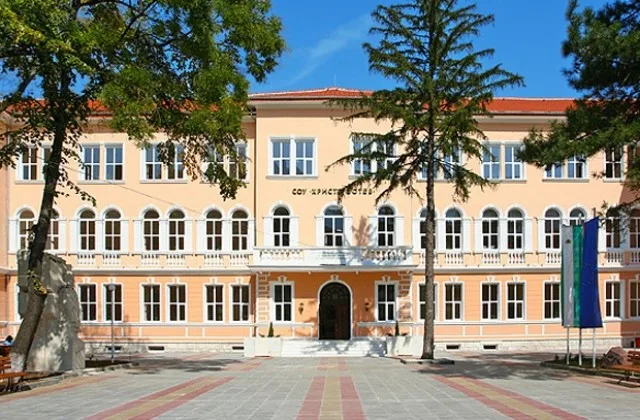
The Historical Museum in Kardzhali
To the list of all articles
To the list of articles Useful articles
Did not find the answer here? Write to us — we will look at your case and tell you what comes next.
Mon–Fri 9:00–17:30 (EET)
Ask a question Useful information
NSI, the National Revenue Agency (NAP) and the Registry Agency are introducing the "Single Entry Point" information system From 1 January 2027, a new procedure…
 Useful information
New amendments to the Law on Foreigners (ZChRB) could change the rules on employment of foreigners and on keeping residence status in Bulgaria.
 Useful information
The subject of obtaining an EU Blue Card (Синя карта на ЕС) in Bulgaria remains one of the most discussed topics among foreign highly qualified specialists and employers.
This article describes the general procedure. Your situation almost always has specifics — tell us about it and we will point out the shortest route.
Book a consultation