
Annual reporting in Bulgaria from 2027: a single system
NSI, the National Revenue Agency (NAP) and the Registry Agency are introducing the "Single Entry Point" information system From 1 January 2027, a new procedure…
In 681 the Bulgars, who had formed an alliance with the Slavs, finally won back the lands between the Black Sea and the Balkan Mountains. The Byzantine emperor Constantine V recognised the new state by concluding a peace treaty with Khan Asparuh.

The first Bulgarian ruler was Khan Asparuh. His descendants continued the work he had begun, gradually annexing more and more of the surrounding lands settled by Slavs. The most notable rulers of Danubian Bulgaria were Khan Tervel, Khan Krum and Khan Omurtag, who did a great deal for the development of the state.
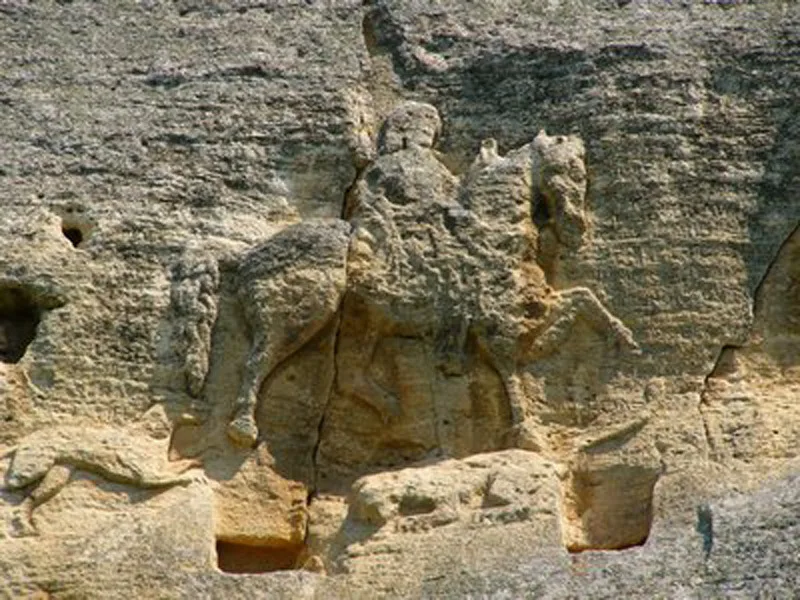
Khan Tervel succeeded Asparuh on the throne. In 705 he received the title of caesar from the Byzantine emperor Justinian — the first time in history that a foreign ruler had been granted such a rank. During Tervel’s reign the famous Bulgarian rock relief was created — the Madara Horseman, a symbol of the greatness of the Bulgarian state.
During the reign of Khan Krum, the area where the Bulgarian capital Sofia stands today was settled first. The laws adopted by Khan Krum clearly regulated the life of the peoples of the new state. By today’s standards these laws were quite severe: serious punishments awaited those who destroyed vineyards and those who stole. Khan Krum was also renowned for launching the administrative reform that was continued by his successor, Khan Omurtag.
Under Khan Omurtag regional rulers appeared — the boyars, who helped to govern the country, as they say, “on the ground”. During Omurtag’s reign many city fortresses were built in Bulgaria, and a white stone palace was erected in the capital. For these deeds Khan Omurtag was nicknamed the Builder. The scale of the construction was such that there can be no doubt that Bulgaria was a powerful and wealthy state at that time.
At the same time he successfully waged defensive wars (Byzantium, despite the treaties concluded earlier, periodically attacked the young state) and little by little annexed new territories to Bulgaria.
Omurtag was followed on the throne by his third son Malamir, then by Khan Presian, under whom the territory of Macedonia was joined to Bulgaria, and finally by the first Bulgarian prince, Boris, who made Bulgaria a Christian country and was later canonised.
Thus, only 150 years after its founding, Bulgaria had become a strong and large state in South-Eastern Europe.
Did not find the answer here? Write to us — we will look at your case and tell you what comes next.
Mon–Fri 9:00–17:30 (EET)
Ask a question Useful information
NSI, the National Revenue Agency (NAP) and the Registry Agency are introducing the "Single Entry Point" information system From 1 January 2027, a new procedure…
 Useful information
New amendments to the Law on Foreigners (ZChRB) could change the rules on employment of foreigners and on keeping residence status in Bulgaria.
 Useful information
The subject of obtaining an EU Blue Card (Синя карта на ЕС) in Bulgaria remains one of the most discussed topics among foreign highly qualified specialists and employers.
This article describes the general procedure. Your situation almost always has specifics — tell us about it and we will point out the shortest route.
Book a consultation