
Annual reporting in Bulgaria from 2027: a single system
NSI, the National Revenue Agency (NAP) and the Registry Agency are introducing the "Single Entry Point" information system From 1 January 2027, a new procedure…

The Madara Rider is today listed as a UNESCO World Heritage monument as the only early medieval rock relief in Europe. In 2008, following public opinion polls among the country’s citizens, it was also declared the main symbol of Bulgaria.
This imposing monument is carved into the face of the cliff 23 metres above the ground. The life-size relief (the monument is more than 3 metres long and 2.6 metres high) depicts a rider on horseback armed with a short spear. Beneath the horse’s hooves lies a vanquished lion. It is a true symbol of the triumph and invincible might of the Bulgaria of that time.
According to one theory, the rider depicts Khan Tervel himself after his victory over the Byzantines. The Greek inscriptions on the relief point to events of the early 8th century. At that time Tervel helped the deposed Byzantine emperor Justinian regain the throne, and in return received the title of caesar, new territories and new revenue for the treasury — Byzantium undertook to pay Bulgaria an annual tribute.
The choice of site for the sculpture was no accident — the region had been considered sacred since ancient times. At the foot of the cliff there is a large cave known as the Cave of the Nymphs, which was a place of worship for the Thracians, who venerated their deities there. In the reserve into which this area has now been turned, ancient cult images dedicated to the Thracian gods have been discovered.
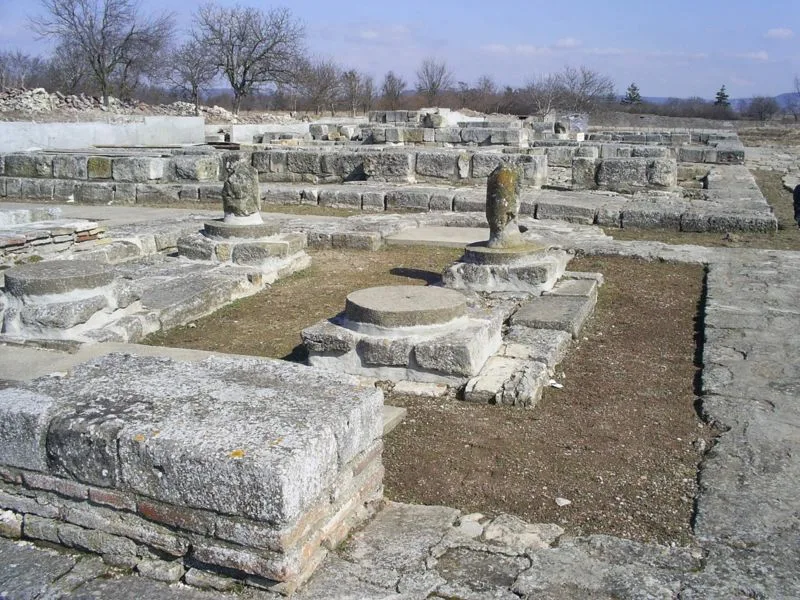
Later, on the terrace beneath the cliff, Khan Omurtag erected a large cult complex that included pagan temples, palace buildings and dwellings.
Did not find the answer here? Write to us — we will look at your case and tell you what comes next.
Mon–Fri 9:00–17:30 (EET)
Ask a question Useful information
NSI, the National Revenue Agency (NAP) and the Registry Agency are introducing the "Single Entry Point" information system From 1 January 2027, a new procedure…
 Useful information
New amendments to the Law on Foreigners (ZChRB) could change the rules on employment of foreigners and on keeping residence status in Bulgaria.
 Useful information
The subject of obtaining an EU Blue Card (Синя карта на ЕС) in Bulgaria remains one of the most discussed topics among foreign highly qualified specialists and employers.
This article describes the general procedure. Your situation almost always has specifics — tell us about it and we will point out the shortest route.
Book a consultation