
Annual reporting in Bulgaria from 2027: a single system
NSI, the National Revenue Agency (NAP) and the Registry Agency are introducing the "Single Entry Point" information system From 1 January 2027, a new procedure…
30 km from Shumen and a couple of kilometres from the modern town of Pliska stands a unique cultural monument – the ruins and surviving buildings of the first capital of the Bulgarian state. Pliska was the capital from the founding of the realm in 681 until 893. And in 1970

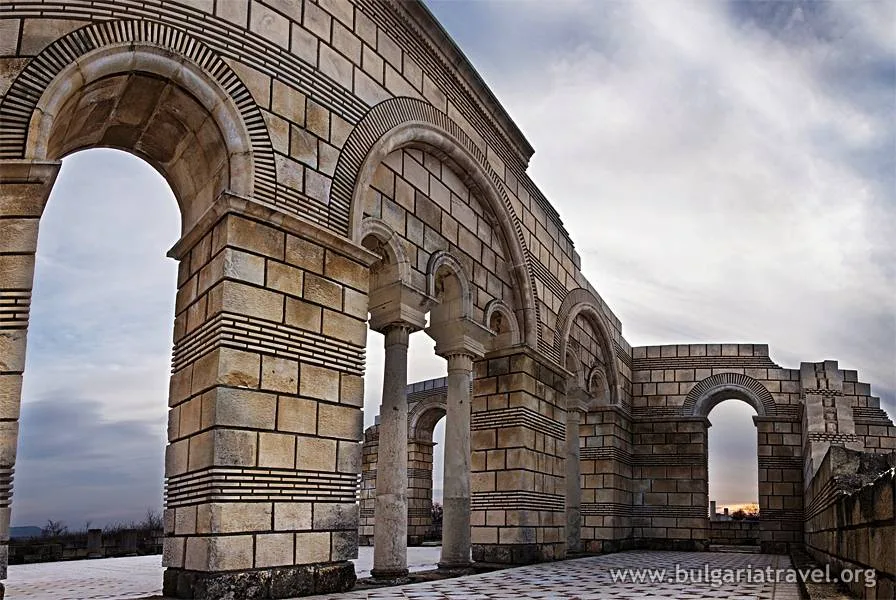
the Pliska Historical and Archaeological Reserve was granted the status of a national archaeological monument.
The site for the capital was not chosen by chance. The plain, surrounded by mountains, lay at the crossroads of important routes. In addition, conditions here were favourable for the cattle breeding practised by the proto-Bulgarians. The first buildings here were wooden – round and
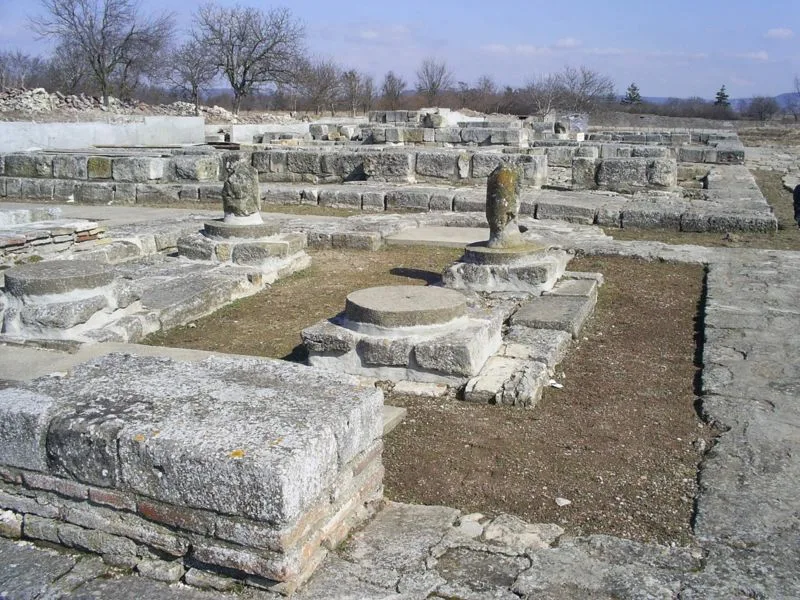
quadrangular.
The palace complex was securely protected by a stone fortress wall, and in the fields around it ordinary people built their houses. In the late 8th – early 9th centuries the wooden buildings gave way to stone ones. Some of them survived the fires set by the Byzantines during their attack on Pliska in 811. During the reign of Khan Omurtag, popularly nicknamed the Builder, the rebuilding of the palace in Pliska was completed. By medieval standards the city was enormous – more than 23 sq. km.
After the Bulgarians adopted Christianity in 864, the appearance of the capital changed. Pagan temples were converted into Christian ones, and new churches were built, including the Golyamata Bazilika, the remains of which have survived to our day.
In 893 the Bulgarian capital was moved to Preslav, and Pliska gradually fell into decline.
The Eastern Gate, once the main gate of the fortress, is today the main entrance to the reserve. About a kilometre and a half from it stands the Golyamata Bazilika, at that time the largest Christian church in South-Eastern Europe. Visitors can see the remains of Omurtag’s palace, as well as of the Small Palace (the citadel), the ruins, and the remains of baths, the water supply system and the reservoir. Many of the structures are well preserved, considering their venerable age, so the walk promises to be interesting.
In the north-eastern part of the fortress there is a museum housing the historical finds discovered in this area. Next to the museum building there is a rest area where visitors can have coffee or other drinks.
From 01.04 to 31.10 the reserve is open to visitors from 8.30 to 19.00, seven days a week. In winter the museum is open until 17.00.
Admission costs 4 leva for adults and 1 lev for schoolchildren, students and people with disabilities.
A guided tour costs 5 leva in Bulgarian and twice as much in German or English.
Did not find the answer here? Write to us — we will look at your case and tell you what comes next.
Mon–Fri 9:00–17:30 (EET)
Ask a question Useful information
NSI, the National Revenue Agency (NAP) and the Registry Agency are introducing the "Single Entry Point" information system From 1 January 2027, a new procedure…
 Useful information
New amendments to the Law on Foreigners (ZChRB) could change the rules on employment of foreigners and on keeping residence status in Bulgaria.
 Useful information
The subject of obtaining an EU Blue Card (Синя карта на ЕС) in Bulgaria remains one of the most discussed topics among foreign highly qualified specialists and employers.
This article describes the general procedure. Your situation almost always has specifics — tell us about it and we will point out the shortest route.
Book a consultation