
Annual reporting in Bulgaria from 2027: a single system
NSI, the National Revenue Agency (NAP) and the Registry Agency are introducing the "Single Entry Point" information system From 1 January 2027, a new procedure…
In the summer months of 1877, fierce battles took place near Stara Zagora. The volunteers fought for freedom under the Samara Flag, embroidered especially for them by nuns in a Russian monastery.

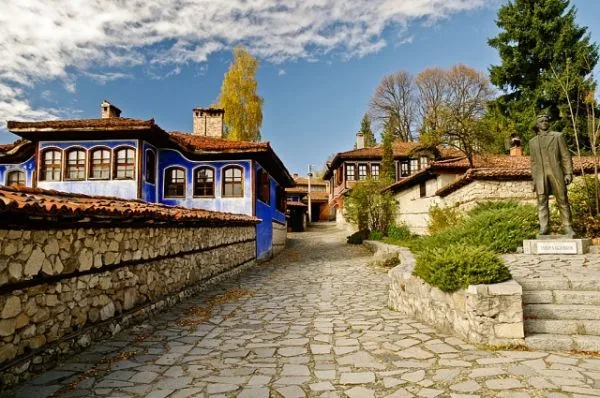
Despite the selflessness of the city’s defenders and the Russian soldiers, the Turks won that battle, and Stara Zagora was put to the torch. After the liberation, in 1879, the city began to be rebuilt: the day the first stone was laid, 5 October, became the city’s holiday. Yet despite the devastating fire, Stara Zagora has preserved many interesting sights that draw tourists to the ancient city.
The earliest finds on the territory of the city date back to the 6th millennium BC.
The exhibition of the regional history museum is rich in finds from the Stone Age, the Roman period, late antiquity, the Middle Ages and the Revival era.
Here the history of the city unfolds up to the moment of its destruction during the Russo-Turkish War.
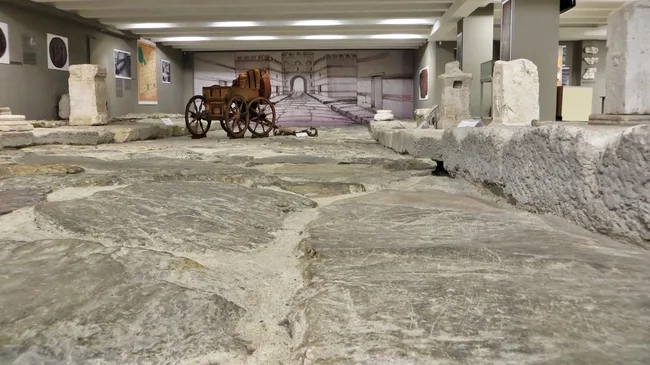
On the basement floor of the museum you can see a genuine restored Roman street, discovered on this very spot during archaeological excavations. It is a real journey through time: you can find yourself in the first centuries AD, when the Romans ruled here, simply by going down to the lower floor. Museum visitors can walk along an authentic Roman roadway 6 metres wide, admire the street’s decorations and the panel depicting the Southern Gate of the fortress wall, which has not survived to our day.
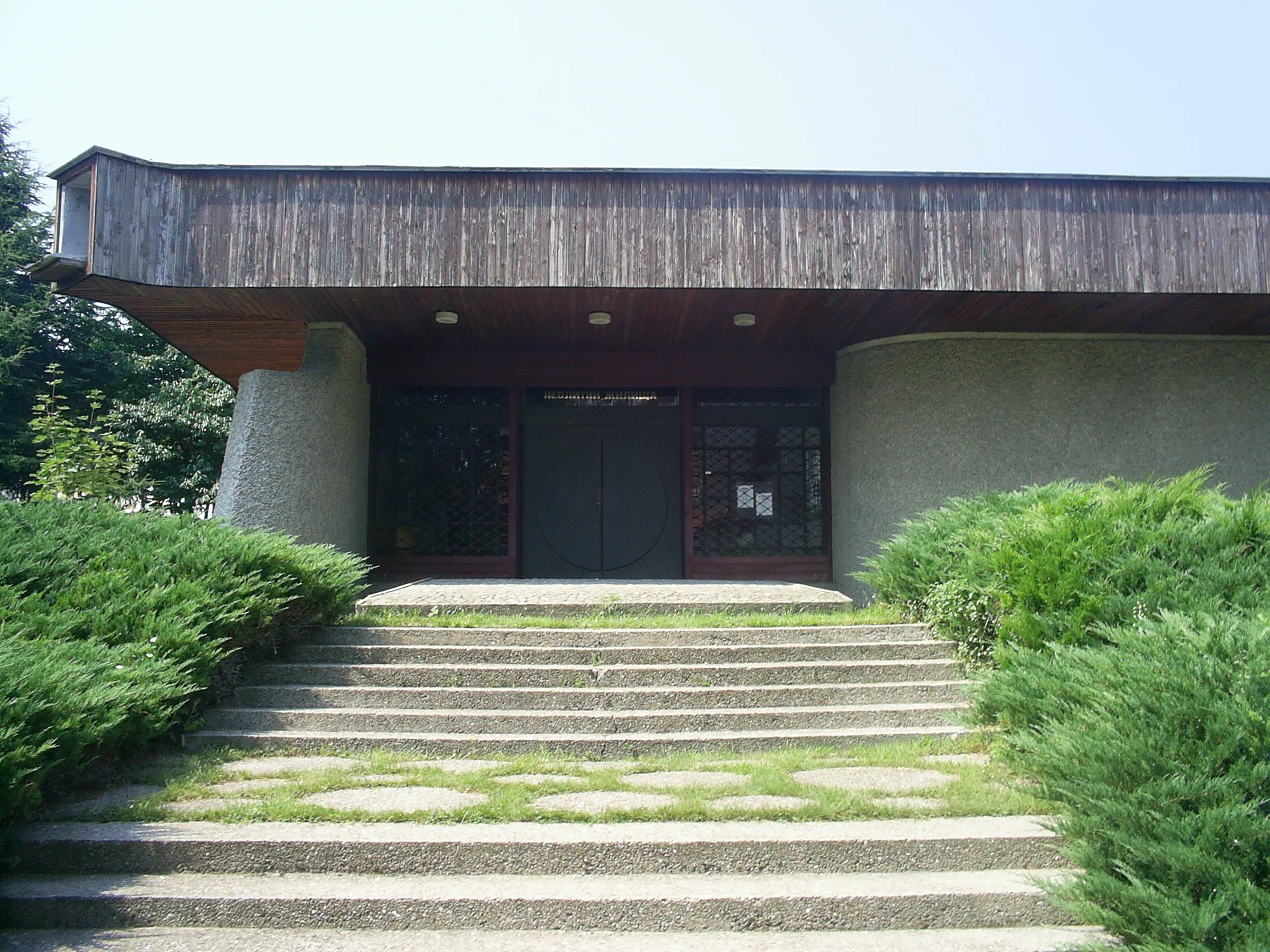
Those who would like to learn about even more distant times should visit the branch of the history museum — the “Neolithic Dwellings” museum, which houses structures erected back in the 6th millennium BC. These are the best-preserved buildings of that period on the entire European continent. The dwellings are located exactly where they were found — the museum was built around them.
Other finds from that era are also displayed here — tools, household items, pottery, sculptures and even musical instruments.
Did not find the answer here? Write to us — we will look at your case and tell you what comes next.
Mon–Fri 9:00–17:30 (EET)
Ask a question Useful information
NSI, the National Revenue Agency (NAP) and the Registry Agency are introducing the "Single Entry Point" information system From 1 January 2027, a new procedure…
 Useful information
New amendments to the Law on Foreigners (ZChRB) could change the rules on employment of foreigners and on keeping residence status in Bulgaria.
 Useful information
The subject of obtaining an EU Blue Card (Синя карта на ЕС) in Bulgaria remains one of the most discussed topics among foreign highly qualified specialists and employers.
This article describes the general procedure. Your situation almost always has specifics — tell us about it and we will point out the shortest route.
Book a consultation