
Annual reporting in Bulgaria from 2027: a single system
NSI, the National Revenue Agency (NAP) and the Registry Agency are introducing the "Single Entry Point" information system From 1 January 2027, a new procedure…
In the mid-19th century the liberation movement spread throughout Bulgaria. But the forces were unequal, and those who tried to fight the lawful Ottoman authorities were doomed. Thus, in 1873 one of the main heroes of the popular resistance, Vasil Levski, was hanged in Sofia.

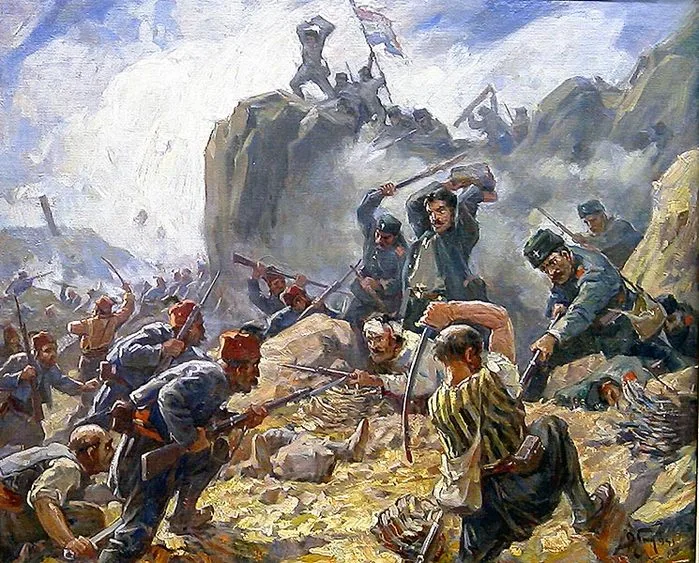
The participants of the April Uprising, which took place in 1876 in the town of Koprivshtitsa, also perished. The authorities dealt brutally not only with armed conspirators, but also with ordinary people at the slightest disobedience. In the village of Batak, for instance, more than fifteen hundred people (by some estimates, 5,000) were killed, including defenceless children and women.
These events drew the attention of people in every country. The greatest minds of the time — Victor Hugo, Charles Darwin, Fyodor Dostoevsky, Dmitri Mendeleev — spoke out about them. By that point relations between the Russian and Ottoman empires had deteriorated, and all that was needed was a pretext to start a war.
That pretext was the cruelty of the Turkish authorities in suppressing the uprising.
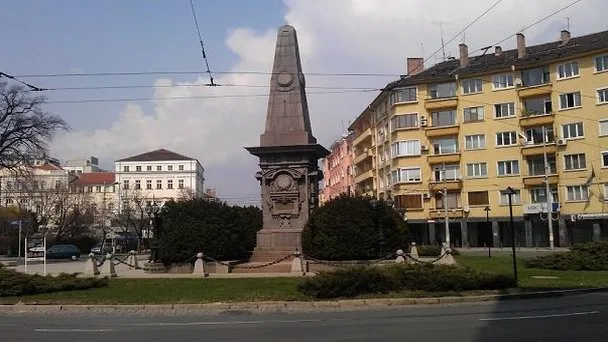
In April 1877 the Russian Empire declared war on the Ottomans, and by the summer Russian troops had crossed the Danube and set about liberating Bulgaria. This war saw many bloody battles, the most famous of which took place at the Shipka Pass and near the town of Stara Zagora. Mount Shipka, the place where Russian soldiers and Bulgarian volunteers fought bravely, is still crowned by the Monument to Freedom today.
In March 1878, a peace treaty between the warring parties was signed in the locality of San Stefano. Under it, Bulgaria gained partial independence. It was assumed that the country would be under Russian administration for two years and would then become fully autonomous, though it would pay tribute to Turkey. Bulgaria’s territory was significantly enlarged in the process.
The day the treaty was signed became Bulgaria’s national liberation holiday, celebrated annually on 3 March. Nevertheless, in July a new treaty was signed — the Treaty of Berlin — which was already less favourable for Bulgaria. And yet a new stage began in the country’s life: for the first time in almost 500 years Bulgarians were able to breathe freely and feel like masters in their own country rather than slaves. Thus ended the hardest period in the history of Bulgaria
Did not find the answer here? Write to us — we will look at your case and tell you what comes next.
Mon–Fri 9:00–17:30 (EET)
Ask a question Useful information
NSI, the National Revenue Agency (NAP) and the Registry Agency are introducing the "Single Entry Point" information system From 1 January 2027, a new procedure…
 Useful information
New amendments to the Law on Foreigners (ZChRB) could change the rules on employment of foreigners and on keeping residence status in Bulgaria.
 Useful information
The subject of obtaining an EU Blue Card (Синя карта на ЕС) in Bulgaria remains one of the most discussed topics among foreign highly qualified specialists and employers.
This article describes the general procedure. Your situation almost always has specifics — tell us about it and we will point out the shortest route.
Book a consultation