
Annual reporting in Bulgaria from 2027: a single system
NSI, the National Revenue Agency (NAP) and the Registry Agency are introducing the "Single Entry Point" information system From 1 January 2027, a new procedure…
The history of modern Bulgaria began on 10 November 1989. On that day the legendary Todor Zhivkov, who for many decades had been virtually the country's sole leader, was removed from his post.

The political coup in Bulgaria was organised by Bulgarian ministers with the support of the Soviet Union and was not accompanied by bloodshed: the country’s former leader was given profound thanks and asked to vacate his position, which was immediately taken by another communist figure.
The changes, however, provoked popular discontent and demonstrations began. Before long the communist government was replaced by a democratic one. In 1990 the country adopted a new Constitution.
As in other Eastern European countries, the political changes in Bulgaria took place against the background of a protracted economic crisis. The old economic ties had been destroyed, and new ones had not yet been created. Unemployment appeared in the country, enterprises closed and the situation worsened. The transition to a market economy proved fairly painful, although Bulgaria was in a better position than, say, neighbouring Romania.
It became clear fairly quickly that it was advantageous for Bulgaria to join forces with larger and stronger powers, as it had once done with the USSR. Year after year Bulgaria’s rulers concluded various agreements with European countries on mutual assistance and cooperation in different fields.
In 2004 the country joined NATO. At the same time Bulgaria’s leaders were conducting negotiations on the country’s admission to the European Union. And in 2007 this goal was achieved — Bulgaria became a member of the EU.
It will be for future historians to assess how successful this step was. One way or another, in order to join the European Union Bulgaria carried out a number of reforms that are assessed differently by contemporaries. Some say that EU membership harmed Bulgarian industry. In addition, the country’s population is constantly decreasing because of the migration of young people to other EU countries. Others note that thanks to European money it became possible in Bulgaria to implement many programmes for the development of entrepreneurship, many monuments were restored, nature reserves were rehabilitated, roads were transformed and towns were revived.
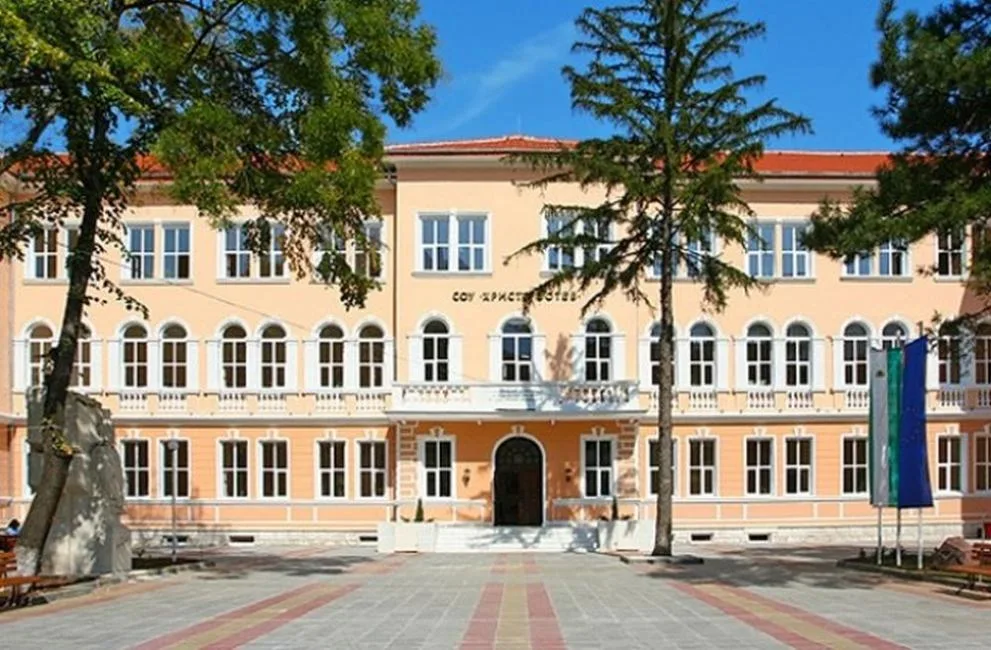
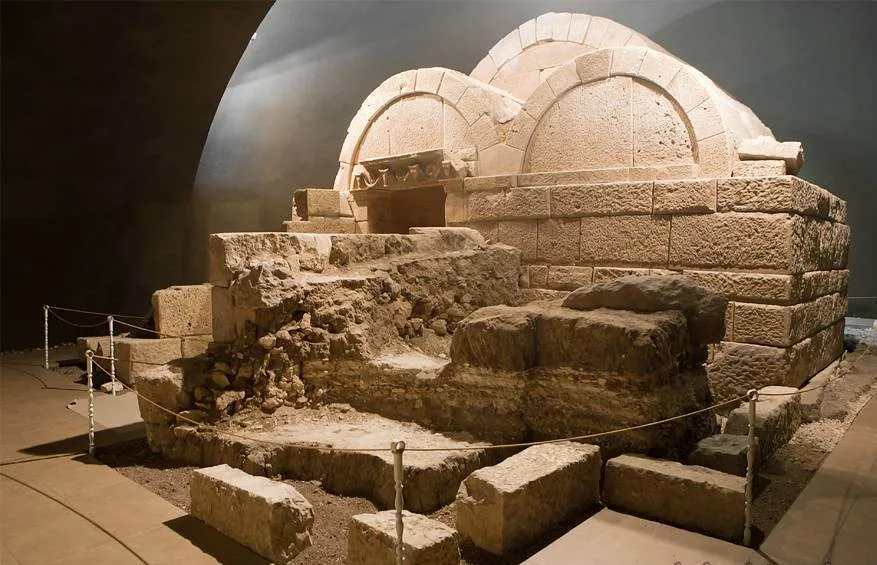
The Historical Museum in Kardzhali
Did not find the answer here? Write to us — we will look at your case and tell you what comes next.
Mon–Fri 9:00–17:30 (EET)
Ask a question Useful information
NSI, the National Revenue Agency (NAP) and the Registry Agency are introducing the "Single Entry Point" information system From 1 January 2027, a new procedure…
 Useful information
New amendments to the Law on Foreigners (ZChRB) could change the rules on employment of foreigners and on keeping residence status in Bulgaria.
 Useful information
The subject of obtaining an EU Blue Card (Синя карта на ЕС) in Bulgaria remains one of the most discussed topics among foreign highly qualified specialists and employers.
This article describes the general procedure. Your situation almost always has specifics — tell us about it and we will point out the shortest route.
Book a consultation