
Annual reporting in Bulgaria from 2027: a single system
NSI, the National Revenue Agency (NAP) and the Registry Agency are introducing the "Single Entry Point" information system From 1 January 2027, a new procedure…
Until recently it was common to believe that the USSR, in liberating the countries of Eastern Europe from the fascists, brought nothing but peace and prosperity. But even in Bulgaria, although Soviet soldiers were welcomed here very warmly, there were repressions.

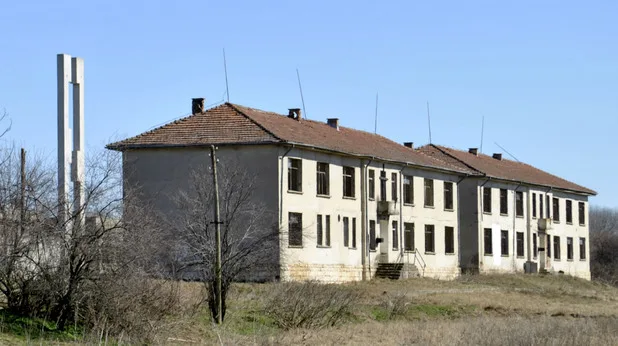
Of course, they were not on the scale seen in the Soviet Union, but these pages of Bulgarian history are still recalled with fear.
Bulgaria had not yet become socialist when the systematic destruction of those who did not welcome the new regime began in the country. This affected not only members of the royal family, who managed to emigrate quickly, but also far less prominent people. Many were shot, and for the rest there were
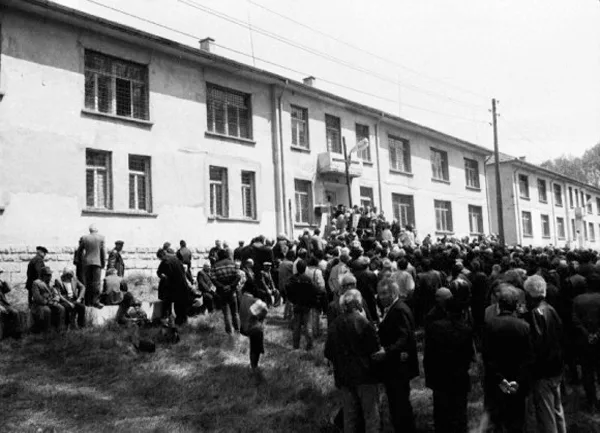
concentration camps. The most famous «political» concentration camp was opened on the island of Persin near the small town of Belene, not far from Pleven. Everyone who disagreed with the country’s policies was sent here: suspected spies, priests, politicians, public figures. There was room on the island for ordinary criminals too, but political prisoners predominated.
The camp was closed shortly before Stalin’s death, in 1953, and in the summer of that same year many prisoners were rehabilitated. But it was reopened more than once after that – in 1956, and then in the eighties, when the persecution of ethnic Turks began in the country.
To this day a prison stands in the western part of the island, now intended for criminal offenders. Access there is possible only with special permits. As for the territory of the former concentration camp, it is open to visitors. Every year on 30 May former inmates gather there to honour the memory of their fallen comrades.
To the list of all articles
To the list of articles Useful articles
Did not find the answer here? Write to us — we will look at your case and tell you what comes next.
Mon–Fri 9:00–17:30 (EET)
Ask a question Useful information
NSI, the National Revenue Agency (NAP) and the Registry Agency are introducing the "Single Entry Point" information system From 1 January 2027, a new procedure…
 Useful information
New amendments to the Law on Foreigners (ZChRB) could change the rules on employment of foreigners and on keeping residence status in Bulgaria.
 Useful information
The subject of obtaining an EU Blue Card (Синя карта на ЕС) in Bulgaria remains one of the most discussed topics among foreign highly qualified specialists and employers.
This article describes the general procedure. Your situation almost always has specifics — tell us about it and we will point out the shortest route.
Book a consultation