
Annual reporting in Bulgaria from 2027: a single system
NSI, the National Revenue Agency (NAP) and the Registry Agency are introducing the "Single Entry Point" information system From 1 January 2027, a new procedure…

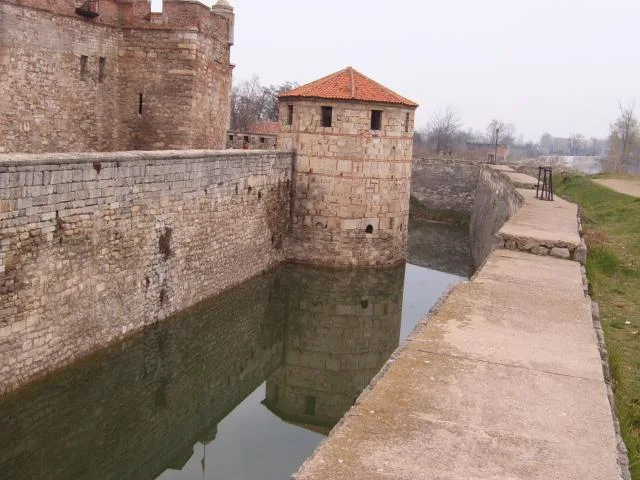
Today’s Vidin is a small provincial town in the north-western part of Bulgaria, unknown to most tourists. Nevertheless, the town’s history goes back many centuries – it was founded in antiquity on the site of a Celtic settlement, and in the Middle Ages it became the last Bulgarian town to submit to the Ottoman conquerors. The town’s glorious past is recalled by the Baba Vida castle, located in the Vidin fortress.
There is a legend explaining the fortress’s name. According to the tale, Vida was the daughter of a noble boyar. Her sisters married very unhappily, so Vida preferred to remain alone. She built an imposing fortress and settled in it. And since by the time the fortress was completed the girl had already become an elderly woman, she came to be called “Baba Vida”, and then the fortress came to be called the same.
The Baba Vida castle is known as the only fully preserved Bulgarian medieval fortress. Built in the 10th century on the site of a ruined Roman fortification, it has survived many wars and other events, yet has been superbly preserved.
Standing on the bank of the Danube, at the very point where the river makes a sharp turn, the castle was fortified by Ivan Sratsimir, the last Bulgarian ruler of the Second Kingdom. Around it the walls of the Vidin fortress were raised, which the Ottomans nicknamed the “Virgin” because no one managed to take this citadel by force.
Nevertheless, this stronghold fell too. And during the Ottoman rule the fortress was used by the Turkish invaders, who continued to extend and strengthen it. However, at the end of the 18th century the castle was turned into an arms depot and a prison, and was no longer used as a defensive structure.
Today the fortress houses a museum. During the fortress’s restoration its exterior appearance and interior furnishings were carefully preserved, so visitors have the chance to feel themselves inside a real medieval castle by visiting this atmospheric place.
There is a summer theatre on the grounds of the fortress. The fortress grounds are also often used as a set for film shoots.
Two towers are currently open to visitors. One of them housed a prison, and today visitors are offered the chance to see the old instruments of torture that were in use in that prison.
The admission fee is 4 leva for adults and 2 leva for children.
In summer the fortress is open from 8-30 to 17-30, in winter from 9 to 17 every day, but at weekends the opening hours are slightly shorter.
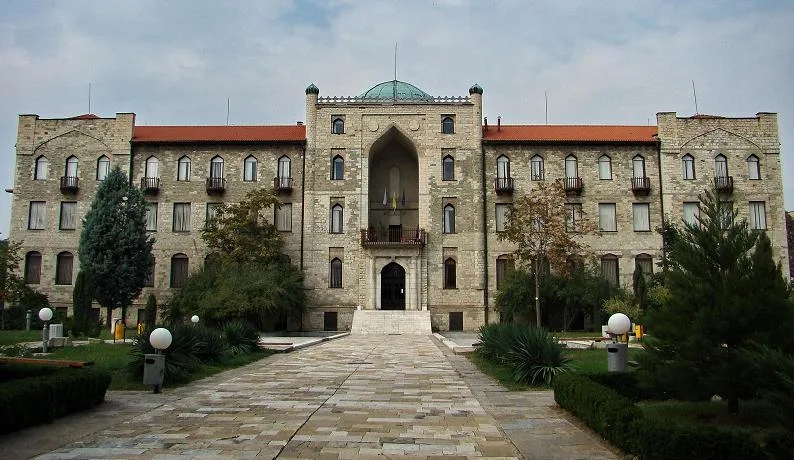
The Historical Museum in Kardzhali
Did not find the answer here? Write to us — we will look at your case and tell you what comes next.
Mon–Fri 9:00–17:30 (EET)
Ask a question Useful information
NSI, the National Revenue Agency (NAP) and the Registry Agency are introducing the "Single Entry Point" information system From 1 January 2027, a new procedure…
 Useful information
New amendments to the Law on Foreigners (ZChRB) could change the rules on employment of foreigners and on keeping residence status in Bulgaria.
 Useful information
The subject of obtaining an EU Blue Card (Синя карта на ЕС) in Bulgaria remains one of the most discussed topics among foreign highly qualified specialists and employers.
This article describes the general procedure. Your situation almost always has specifics — tell us about it and we will point out the shortest route.
Book a consultation