
Annual reporting in Bulgaria from 2027: a single system
NSI, the National Revenue Agency (NAP) and the Registry Agency are introducing the "Single Entry Point" information system From 1 January 2027, a new procedure…
In 1396 the last Bulgarian fortress fell. The country came under the rule of the Ottoman Empire. The period of the yoke lasted almost five centuries.

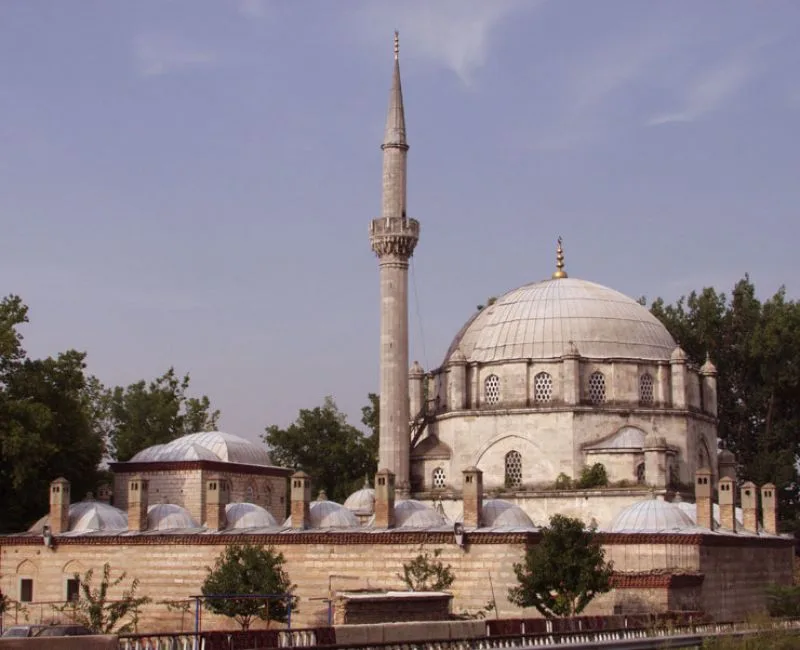
For the Bulgarians this was a hard time. Non-Muslims were severely restricted in their rights; nevertheless, the Bulgarians as a whole managed to preserve their language, culture and traditions. Bulgarian churches were only allowed to be built very low and squat, so that they would not be taller or more conspicuous than the Muslim places of worship that began to be built in every town.
The Bulgarians were burdened with taxes, and not only material ones. There was also the «blood tax», or «blood tribute» — boys aged 7–10 (and sometimes older) were taken from Christian families, with the most handsome, healthy and intelligent being selected. Roughly every fifth boy faced such a fate — the children taken were then raised in the Ottoman manner and turned into janissaries.
Such practices brought much grief to Bulgarian families. On the gates of houses from which a child had been taken, the Ottomans left a bloody mark. Some managed to deceive the authorities: Bulgarian women slaughtered roosters and used the rooster blood to paint imitations of these marks on their gates, so that the Ottomans would pass by. This often worked, and to this day Bulgaria marks «Petlyovden» — «Rooster Day» — in winter in memory of this tradition.
From time to time uprisings broke out in the country, and were immediately suppressed. At the same time the Bulgarians passively resisted Ottoman influence. This was expressed above all in the preservation of Orthodoxy and Bulgarian culture. In 1762 Paisius of Hilendar wrote «Istoriya slavyanobolgarskaya» — the first work of its kind in history. This event is considered the beginning of the country’s revival: in Bulgaria the enlightenment movement was gaining strength, as was the struggle for the independence of the Bulgarian church, which during the period of Ottoman rule had been subordinated to the Greek one. In general, clergymen played a major role in the revival: it was in the monasteries that the old traditions were reverently preserved, and it was here that the people were educated.
The Bulgarian literary language took shape, and Bulgarian books gradually began to appear, at first mainly textbooks. Thus, in 1824 Doctor Petar Beron published «Riben bukvar» («The Fish Primer»), so named for the picture of a fish on its cover. In 1835 the first secular school opened in Gabrovo.
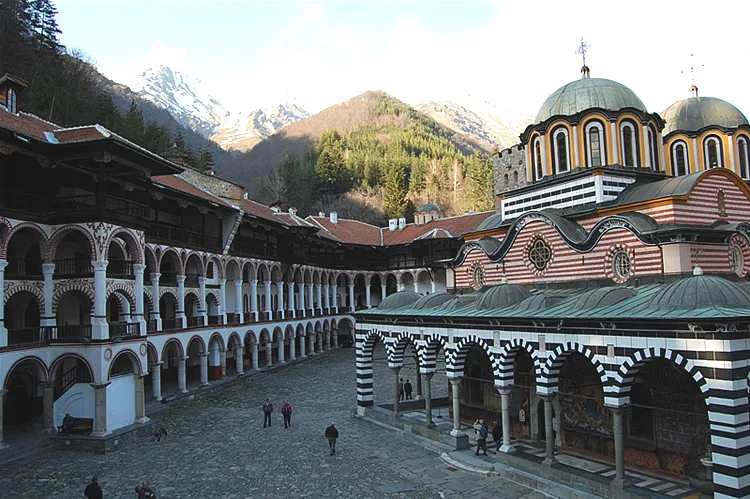
After the Crimean War Bulgarian drama was revived. In the 1840s the first Bulgarian printed publications appeared, and the sciences and arts developed. At the same time the liberation movement was gaining strength, and religious houses also became its centres: in the famous Rila Monastery, for example, they not only opened a school but also gave shelter to well-known revolutionaries of the time.
Did not find the answer here? Write to us — we will look at your case and tell you what comes next.
Mon–Fri 9:00–17:30 (EET)
Ask a question Useful information
NSI, the National Revenue Agency (NAP) and the Registry Agency are introducing the "Single Entry Point" information system From 1 January 2027, a new procedure…
 Useful information
New amendments to the Law on Foreigners (ZChRB) could change the rules on employment of foreigners and on keeping residence status in Bulgaria.
 Useful information
The subject of obtaining an EU Blue Card (Синя карта на ЕС) in Bulgaria remains one of the most discussed topics among foreign highly qualified specialists and employers.
This article describes the general procedure. Your situation almost always has specifics — tell us about it and we will point out the shortest route.
Book a consultation