
Annual reporting in Bulgaria from 2027: a single system
NSI, the National Revenue Agency (NAP) and the Registry Agency are introducing the "Single Entry Point" information system From 1 January 2027, a new procedure…
Rila Monastery, located in the Kyustendil region, is one of Bulgaria's most famous landmarks. The country's largest monastery is a true symbol of Bulgaria. It is open to visitors, and on the ground floor there is a museum where you can learn about the monastery's rich history.

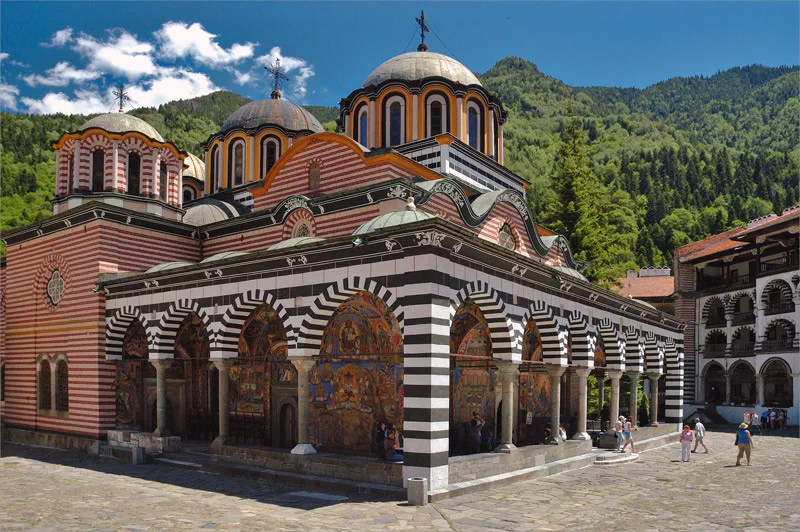
The Monastery of St Ivan Rilski was built in the Rila Mountains in the 10th century. At the beginning of the 14th century a defensive tower was erected on its grounds — today it is the oldest surviving building in the complex. In the late 18th and early 19th centuries the monastery suffered several raids and fires, after which it was rebuilt. So the elegant striped buildings with their graceful arches are, in historical terms, quite new — many of them are not yet 200 years old.
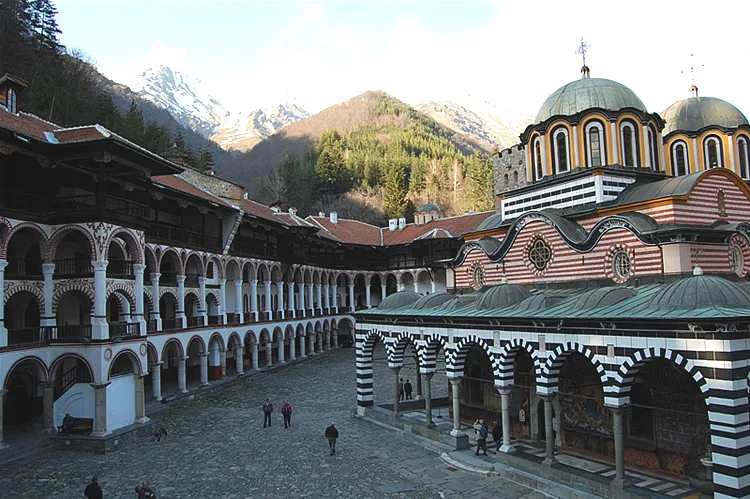
The monastery has five floors in all, one of which is hidden underground, since the Ottoman authorities strictly ensured that Christian churches and monasteries were not too tall.
The lower floor houses the museum today.
From the moment of its founding the monastery was a centre of culture and learning. During the years of Ottoman rule Bulgarian culture was carefully preserved here. In the period of the Bulgarian Revival, Neofit Rilski founded a cell school here. The monastery also gave shelter to many great Bulgarian freedom fighters, and congresses of revolutionary organisations were held here.
Did not find the answer here? Write to us — we will look at your case and tell you what comes next.
Mon–Fri 9:00–17:30 (EET)
Ask a question Useful information
NSI, the National Revenue Agency (NAP) and the Registry Agency are introducing the "Single Entry Point" information system From 1 January 2027, a new procedure…
 Useful information
New amendments to the Law on Foreigners (ZChRB) could change the rules on employment of foreigners and on keeping residence status in Bulgaria.
 Useful information
The subject of obtaining an EU Blue Card (Синя карта на ЕС) in Bulgaria remains one of the most discussed topics among foreign highly qualified specialists and employers.
This article describes the general procedure. Your situation almost always has specifics — tell us about it and we will point out the shortest route.
Book a consultation